Quick answer: For a Himalayan winter trek, pack in layers: two thermal sets, a fleece, an insulated jacket, a waterproof shell and waterproof pants, plus woollen socks, two pairs of gloves, a warm cap and a balaclava. Add sunglasses, sunscreen, a headlamp and an insulated bottle. Shoes, a -10°C jacket, poles, gaiters and microspikes are free on Trekkaro treks, so you do not need to buy them.
Packing for a snow trek is not about carrying more. It is about carrying the right few things and wearing them in the right order. The people who are cold at camp are usually not the ones with the thinnest jacket; they are the ones with one thick layer and nothing underneath, or with cotton socks that got wet on day two.
This is the list we send to everyone booked on a winter batch of Kedarkantha, Brahmatal, Kuari Pass, Dayara Bugyal and our other snow treks. Save it, tick it off, and you will be warm.
How layering works (and why it matters at -15°C)
Instead of one heavy jacket, you wear three or four thin layers and add or remove them as you warm up and cool down:
- Base layer (thermals): sits on your skin and moves sweat away. Synthetic or merino wool, never cotton.
- Mid layer (fleece): traps warm air. This is your main warmth while walking.
- Insulation (down or synthetic jacket): for camp, rest stops and summit morning.
- Shell (waterproof jacket and pants): keeps snow, wind and wet out.
On the trail, most people walk in a base layer and a fleece. At camp in the evening, everything goes on.
Clothing checklist
- 2 sets of thermals (top and bottom), synthetic or merino
- 1 fleece jacket (200–300 weight)
- 1 insulated jacket for camp (provided free with Trekkaro: Quechua SH100, rated to -10°C)
- 1 waterproof, windproof outer jacket
- 1 pair of waterproof trekking pants or snow pants
- 1 pair of warm fleece or woollen trousers for camp
- 2–3 quick-dry T-shirts for the trail
- 3–4 pairs of woollen trekking socks, plus 1 thick pair kept dry only for sleeping
- 2 pairs of gloves: a thin liner pair and a waterproof outer pair
- 1 warm woollen cap that covers your ears
- 1 balaclava or neck gaiter for summit morning
- Camp slippers or sandals
Footwear and technical gear
| Item | Why you need it | With Trekkaro |
|---|---|---|
| Waterproof trekking shoes with ankle support | Grip and dry feet on snow | Free (Quechua Trek 100) |
| Trekking poles | Balance, and less strain on your knees going down | Free |
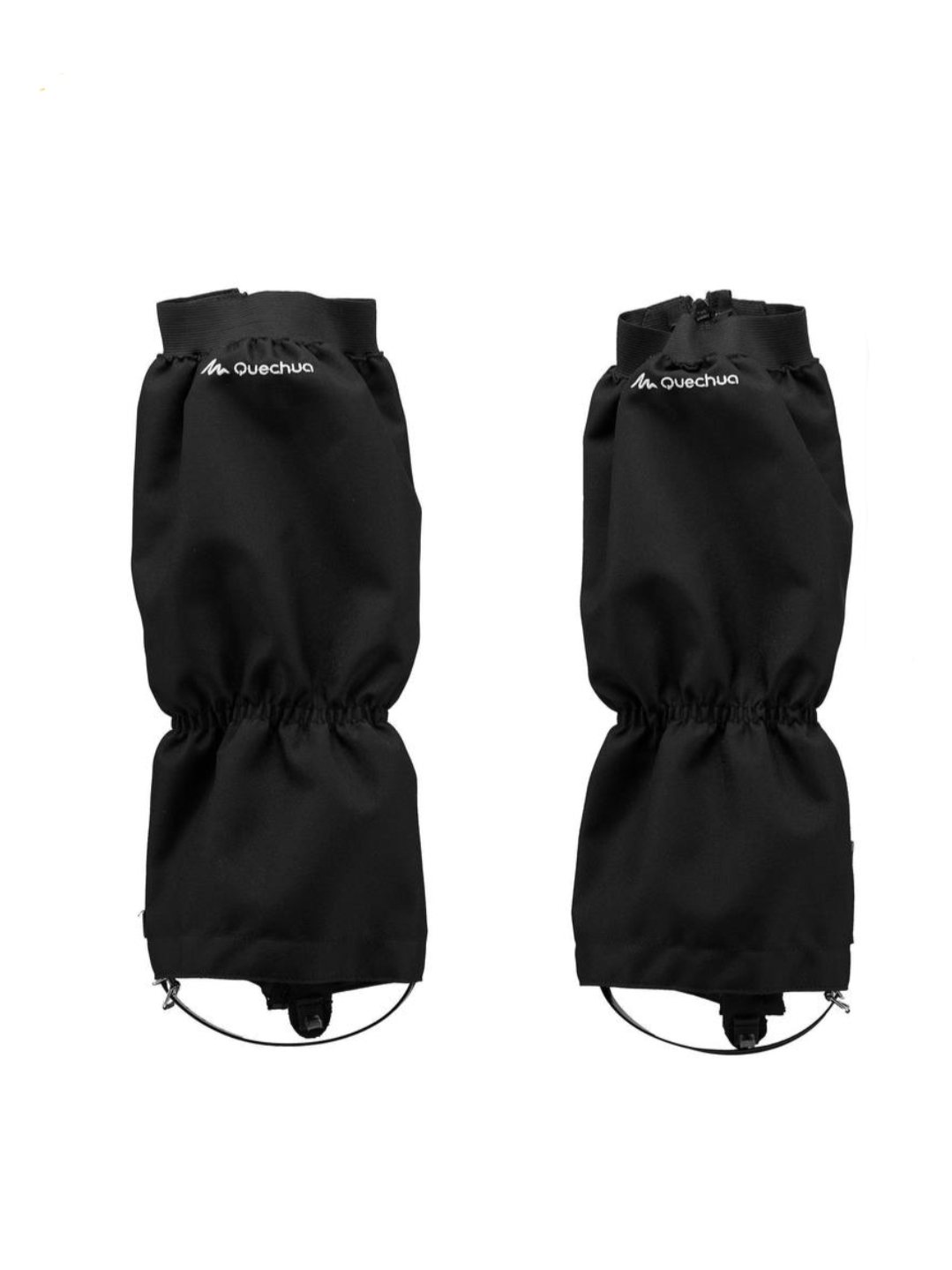
| Gaiters | Stop snow from getting into your shoes | Free |
| Microspikes | Grip on ice and hard snow, especially on summit day | Free |
| Insulated jacket (-10°C) | Warmth at camp and on the summit | Free (Quechua SH100) |
| Sleeping bag | Sleeping comfortably at -10°C to -15°C | Provided at camp (-20°C rated) |
Not sure whether to buy, rent or use free gear? We compared the real costs in Buy, Rent or Free Trekking Gear?
Bags
- A 40–50 litre trekking backpack with a rain cover
- A 20–25 litre daypack for summit day, if you offload your main bag
- Dry bags or zip-lock bags to keep clothes and electronics dry inside your backpack
Accessories
- UV-protection sunglasses (category 3 or 4): snow glare can cause snow blindness
- Sunscreen (SPF 50+) and SPF lip balm
- A headlamp with spare batteries, for the early summit start
- 2 litres of water capacity, ideally one insulated bottle so it does not freeze overnight
- A power bank, kept inside your sleeping bag at night so the cold does not drain it
- High-energy snacks: dry fruits, energy bars, chocolate
- Electrolyte sachets
Toiletries and medicines
- Toothbrush, toothpaste, biodegradable soap, wet wipes, hand sanitiser and a small microfibre towel
- Toilet paper and a small bag to carry used tissues back down
- Your personal medicines and prescriptions
- Basic first aid: blister plasters, a pain reliever, ORS sachets
- Any altitude medicine your doctor advises (always consult a doctor first)
Documents and money
- Government photo ID: the original and a photocopy
- Your booking confirmation
- A medical fitness certificate
- Travel insurance covering high-altitude trekking and evacuation (mandatory on our treks)
- Cash in small notes. ATMs and card payments stop well before the base village.
Six packing mistakes that make people cold
- Cotton anything. Cotton holds sweat and freezes. Use synthetic or wool.
- One thick jacket instead of layers. You overheat walking, then freeze when you stop.
- No dry pair of socks for the night. Keep one pair only for sleeping.
- Only one pair of gloves. When they get wet, you have nothing.
- Forgetting sunglasses. Snow glare is far stronger than in the city.
- Packing too much. A heavy bag tires you more than the cold does. If an item is not on this list, you probably do not need it.
See winter treks and dates | First Himalayan trek? Start here
Frequently asked questions
What should I wear on a winter trek in the Himalayas?
Wear layers: a thermal base layer, a fleece, an insulated jacket and a waterproof shell, with waterproof trekking pants, woollen socks, gloves and a warm cap. On the trail you usually need only thermals and a fleece; at camp you wear everything.
How many clothes should I carry for a 5-day winter trek?
Two thermal sets, one fleece, one insulated jacket, one waterproof jacket and pants, 2–3 T-shirts, one pair of camp trousers and 3–4 pairs of woollen socks are enough. You re-wear trail layers; you do not need a fresh set every day.
Do I need to buy trekking shoes for a winter trek?
Not with Trekkaro. Waterproof Decathlon Quechua Trek 100 shoes are part of the Free Trekking Gear, along with a -10°C jacket, poles, gaiters and microspikes.
How heavy should my backpack be?
Aim for 8–10 kg including water. If you prefer not to carry it, backpack offloading can be added when you book (maximum 9 kg).
How do I keep my phone working in the cold?
Keep your phone and power bank in an inside pocket during the day and inside your sleeping bag at night. Cold drains batteries very quickly.