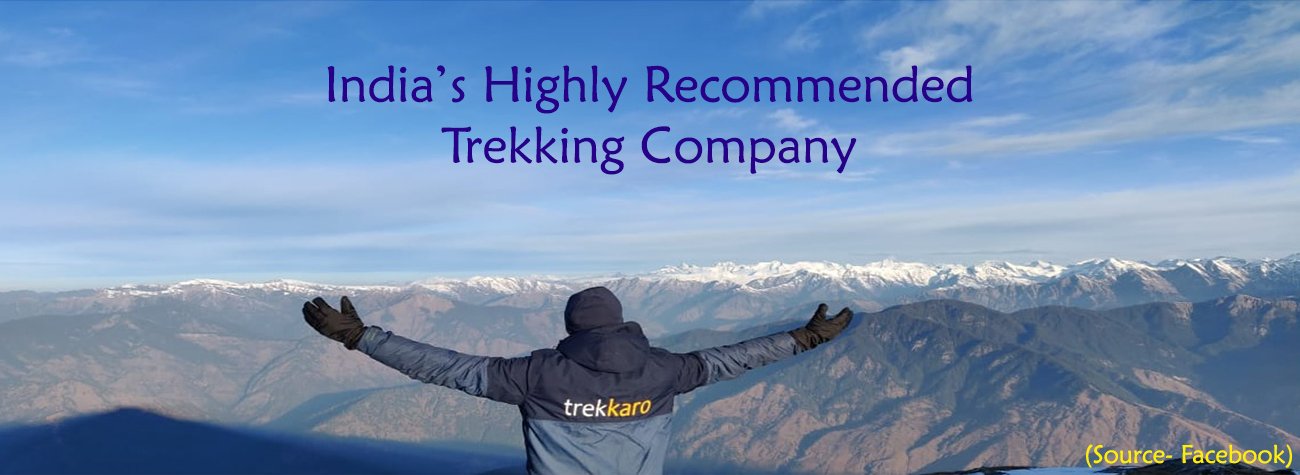
Pindari Glacier Trek
Inclusion:
Accommodation
Meals
All Permits
Expert Trek Leader & Guide
Notify me on WhatsApp when dates open →
Pindari Glacier Trek — Guide, Dates & Cost
Pindari Glacier Trek is a 6-day moderate trek in Bageshwar, Uttarakhand, reaching 3,750 m (12,300 ft). It covers about 58 km on foot and starts at Kharkiya and ends at Pindari Zero Point and back. Best time: April to June and September to November. Free Trekking Gear (Decathlon shoes, -10°C jacket, poles, gaiters and microspikes) comes with this trek: ₹3,000 refundable deposit + ₹200 washing.
Updated
District: Bageshwar
Duration: 6 Days
Difficulty Level: Moderate
Highest Altitude: 3,750 m / 12,300 ft
Trekking Distance: 58 km
Temperature: Spring/Summer (Apr-Jun): Day 15°C to 20°C, Night 2°C to 7°C | Autumn (Sep-Nov): Day 10°C to 15°C, Night -5°C to 5°C
A river valley that runs straight into the heart of the Kumaon Himalaya, a village where the road ends, and at the top of it all a wall of ice with Nanda Kot and Nanda Khat standing behind it. The Pindari Glacier trek walks up the Pindar river from Khati to Zero Point, the viewpoint at 3,750 m (12,300 ft) facing the snout of the glacier, and walks back down the same green valley with the river for company all the way.
The Pindari Glacier trek lies in Bageshwar district of Uttarakhand, in the Pindar valley on the southern edge of the Nanda Devi outer sanctuary. We meet at Kathgodam Railway Station at 6:00 AM and drive through Bhimtal, Almora, Bageshwar and Kapkot to the road head at Kharkiya at 2,190 m (7,170 ft), a long hill drive of about 205 km. From Kharkiya a short walk brings you to Khati at 2,210 m (7,250 ft), the last village on the route. The trail then follows the river to the camps at Dwali at 2,610 m (8,560 ft) and Phurkia at 3,210 m (10,530 ft), before the walk up to Zero Point on Day 4.
It is a 6-day trek of about 58 km on foot, Kathgodam to Kathgodam, and it is an out-and-back: you return through Phurkia, Dwali and Khati to Kharkiya on the last two days. The Pindari glacier feeds the Pindar river, which joins the Alaknanda far below at Karnaprayag, so the whole trek is a walk to the source of a Ganga tributary. For trekkers from Delhi and north India who want a real Himalayan glacier within an overnight train ride, Pindari is the classic Kumaon answer.
Zero Point and the Pindar Valley – What Makes the Pindari Glacier Trek Unmissable
Zero Point is the reason to come. The trail from Phurkia climbs over meadows and old moraine until the valley ends in a bowl of rock and ice, and you stand on a grassy shelf looking straight at the snout of the Pindari glacier. Above it rise Nanda Kot, Nanda Khat, Changuch, Panwali Dwar and Baljuri, close enough that the scale of them takes a moment to sink in. The glacier itself is one of the best-known in Kumaon, and from Zero Point you see its broken lower tongue, its grey ice and the streams that leave it to become the Pindar.
The valley below is the other half of the experience. Few Himalayan treks follow a single river so faithfully: from Khati to Phurkia you are never far from the sound of the Pindar, crossing its side streams on wooden bridges and climbing in and out of the forest along its banks. Oak and bamboo give way to rhododendron and then birch as you gain height, and in spring the rhododendrons turn whole hillsides red. Dwali, where the Kafni river meets the Pindar, is a camp set at the junction of two wild valleys.
Khati gives the trek its human warmth. It is a traditional Kumaoni village of stone and slate houses, terraced fields and a few homestays, and it has watched trekkers walk past to the glacier for generations. The first and the last night of the trek are spent here, so you start and finish among people rather than in an empty campsite. After five days in the valley, the lights of Khati on the way down feel like a homecoming.
The Trail Itself
For a 58 km trek, Pindari has a simple shape: one long valley, walked up and walked down. Day 1 is mostly the drive from Kathgodam to Kharkiya, with a short 4 km walk to Khati in the late afternoon. Day 2 is the long valley day, about 12 km along the Pindar to Dwali, through forest and across several streams, with a few sections where old landslides have cut the trail and the path picks its way over loose ground. Day 3 is a short, steep 6 km climb through rhododendron and birch to Phurkia, the last camp below the glacier, where the forest ends and the valley opens out. Day 4 is the glacier day, about 14 km to Zero Point and back over meadows and moraine, with snow patches and frozen streams early in the season. Day 5 is the long walk out, about 18 km from Phurkia down through Dwali to Khati, and Day 6 is the short walk to Kharkiya and the drive back to Kathgodam.
There is no technical climbing and no river crossing without a bridge, but the landslide zones between Khati and Dwali need steady feet, and the two long days ask for real stamina rather than skill. Trekking poles earn their place on the descent, and in April and early May microspikes make the snow patches above Phurkia straightforward.
Who Is This Trek For?
The Pindari Glacier trek is graded moderate, and we recommend it for fit beginners, solo trekkers and groups of colleagues who want their first glacier without a high pass or a technical section. The grade comes from distance rather than terrain. The hardest day is Day 5: about 18 km and 7–9 hours on foot from Phurkia down to Khati, losing about 1,000 m, the day after a 14 km walk to Zero Point and back at 3,750 m. We recommend six to eight weeks of preparation, with regular jogging or cycling and weekend walks of three to four hours with a loaded backpack. Children aged 12 and above who walk regularly can join with a parent or guardian. Above 60: a doctor’s fitness certificate is needed, and an ECG or TMT report is recommended. Season: mid-April to June and September to mid-November.
Key Highlights of the Pindari Glacier Trek
- Zero Point – the viewpoint at 3,750 m (12,300 ft) facing the snout of the Pindari glacier
- A ring of Kumaon peaks – Nanda Kot, Nanda Khat, Changuch, Panwali Dwar and Baljuri above the glacier
- The Pindar river – a trail that follows one river from the last village to its source
- Khati village – a traditional Kumaoni village of stone houses and terraced fields, the last settlement on the route
- Dwali – the camp where the Kafni river meets the Pindar, at the junction of two valleys
- Forest in layers – oak, bamboo and rhododendron lower down, birch and meadows above Phurkia
- Spring rhododendrons – hillsides in red bloom between Khati and Dwali in April and May
- An overnight train from Delhi – the trek starts from Kathgodam, the Kumaon railhead
Best Time to Do the Pindari Glacier Trek
The Pindari Glacier trek runs in two windows: mid-April to June, before the monsoon, and September to mid-November, after it. The glacier is the same in both, but the valley changes completely, from spring bloom and old snow to clear autumn skies and golden grass. July and August bring heavy monsoon rain, with landslides on both the road and the trail, and from late November to March snow closes the route beyond Dwali.
Mid-April to June – Spring and Summer (The Rhododendron Season)
In April and May the forest between Khati and Dwali is in flower, the river runs high and clear with meltwater, and above Phurkia old snow still lies in the gullies and across the streams, so you may walk short stretches on snow bridges and snow patches on the way to Zero Point. By June the snow has pulled back to the glacier and the meadows above Phurkia turn green. Days are mild, from 15°C to 20°C in the valley, while nights at the camps range from 7°C at Khati down to 2°C at Phurkia, with frost on the tents on the colder mornings early in the season.
September to Mid-November – Autumn (The Clear-Sky Season)
After the monsoon the air is washed clean and the peaks above Zero Point stand out sharp against a deep blue sky; this is the season for the best views of Nanda Kot and Nanda Khat. The forest is green in September, and by late October the grass on the meadows has turned gold and the mornings are crisp. It is colder than spring: days range from 10°C to 15°C, and nights drop from 5°C at Khati to -5°C at Phurkia by November. A fresh early snowfall above Phurkia is possible towards the end of the season, and the trek team carries microspikes for it.
Pindari Glacier Trek Cost and Booking in 2026
The Pindari Glacier trek costs the amount shown in the price box on this page, for 6 days from Kathgodam to Kathgodam, with Free Trekking Gear: Decathlon trekking shoes, a -10°C jacket, trekking poles, gaiters and microspikes. Meals on the trek, stays, permits and a certified trek leader are included; transport between Kathgodam and Kharkiya is not included in the trek fee: we help the group book shared cabs, paid directly to the driver and split among trekkers. Book online on this page by choosing a batch date. Booking closes at 5 PM on the day before the trek, and you can reschedule once, free of charge, up to 8 days before departure.
📅 Best months for the Pindari Glacier Trek: April to June and September to November. Still choosing dates? Compare all treks in October, treks in November, treks in April and treks in May.
🏃 Am I ready for the Pindari Glacier Trek? Take the free 2-minute fitness test and get your readiness score and a personal training plan.
Take the test →Trek Itinerary
Transport is not included in the trek fee: we help the group book shared cabs, paid directly to the driver and split among trekkers, from Kathgodam Railway Station at 6:00 AM to Kharkiya. Your trek coordinator will confirm the cab fare.
Day 1: Kathgodam to Kharkiya and Khati
Route Details:
Drive: Kathgodam → Kharkiya, about 205 km, 8–10 hrs | Trek: Kharkiya → Khati | Distance: 4 km | Duration: 1–1.5 hrs | Altitude: 2,190 m → 2,210 m
We meet at Kathgodam Railway Station at 6:00 AM, where your trek leader checks your documents, hands over your Free Trekking Gear and takes your first health readings. The group then sets off on the long drive into the Kumaon hills, about 205 km and 8–10 hrs, through Bhimtal, Almora, Bageshwar and Kapkot to the road head at Kharkiya. This drive is not included in the trek fee: we help the group book shared cabs, paid directly to the driver and split among trekkers.
The road climbs past lakes and pine forest to Almora, drops to the Saryu valley at Bageshwar and then follows the Pindar upstream through Kapkot, with the valley narrowing and the villages growing smaller as you go. There are stops for breakfast and lunch along the way; meals on the drive are paid by you. Kapkot is the last town with an ATM, so draw cash before it, and make your calls from the road, as signal fades beyond here.
Kharkiya is where the road ends, at 2,190 m (7,170 ft). From the vehicles the trail drops to the river and climbs gently to Khati, about 4 km and 1–1.5 hrs, enough to stretch your legs after the drive and feel the cool valley air. The path is easy, on a broad mule track with the Pindar below, and the first stone houses of Khati appear on the slope ahead as the light softens.
Khati is a traditional Kumaoni village of stone and slate houses and terraced fields, and the last settlement on the route to the glacier. You stay in a simple homestay or guesthouse tonight, with a hot dinner and a briefing from the trek leader on the days ahead. Lay out tomorrow’s clothes and fill your bottles before you sleep: Day 2 is the long valley walk and starts soon after breakfast.
What to Expect:
- Meet at Kathgodam Railway Station at 6:00 AM
- Shared cab to Kharkiya, about 205 km, 8–10 hrs (not included)
- Last ATM at Kapkot; signal fades beyond it
- Short easy walk of 4 km to Khati
- Stone houses and terraced fields of the last village
- Overnight: homestay or guesthouse at Khati
Day 2: Khati to Dwali
Route Details:
Trek: Khati → Dwali | Distance: 12 km | Duration: 6–7 hrs | Altitude: 2,210 m → 2,610 m
The long valley day begins after an early breakfast. The trail leaves Khati and follows the Pindar upstream through dense forest of oak, bamboo and rhododendron, staying above the river for most of the morning. The height gain is small, about 400 m over 12 km, but the path rises and falls constantly as it rounds side valleys, so the day is longer than the altitude figures suggest. Settle into a steady pace and let the trek leader set the rhythm.
Several streams come down off the hillsides to join the Pindar, and you cross them on wooden bridges or stepping stones; water is never far away, so you can refill as you go. In April and May the rhododendrons are in flower along this stretch and whole slopes turn red. The forest is shaded and cool even on a bright day, so keep a light layer handy and eat something at each rest stop to keep your energy up.
The part of the day that needs attention is the landslide zones, where old slips have cut the trail and the path crosses loose, stony ground above the river. The trek leader takes the group across one at a time where needed, and trekking poles help with balance. Packed lunch is eaten at a clearing by the river, and the afternoon continues through forest that slowly thins as the valley climbs.
Dwali sits at the meeting of the Pindar and the Kafni rivers, at 2,610 m (8,560 ft), with the two valleys opening above the camp in a V of forest and rock. Tents are pitched on the flat ground near the old rest house, and the sound of the two rivers fills the evening. After tea, the trek leader runs the daily SpO2 and pulse checks; sleep in your thermals, as the night by the water is noticeably colder than Khati.
What to Expect:
- Long forest walk of about 12 km along the Pindar
- Oak, bamboo and rhododendron forest, in bloom in spring
- Several stream crossings on bridges and stones
- Landslide zones crossed with care, one trekker at a time
- Camp at the meeting of the Pindar and Kafni rivers
- Overnight: camping at Dwali
Day 3: Dwali to Phurkia
Route Details:
Trek: Dwali → Phurkia | Distance: 6 km | Duration: 3–4 hrs | Altitude: 2,610 m → 3,210 m
Today is short in distance but steady in height: you gain about 600 m in 6 km. The trail leaves Dwali along the Pindar and climbs more purposefully than yesterday, through rhododendron that gives way to birch as you go higher. The forest opens in places to show the river in a gorge below and the first real snow peaks at the head of the valley. Walk slowly, as this is the day your body meets altitude above 3,000 m.
Early in the season, in April and May, you may cross side streams on snow bridges or over frozen ground, and old avalanche snow can lie across the trail in the shaded gullies. The trek leader checks each crossing first, and microspikes from your Free Trekking Gear go on when the snow is hard. In autumn the same stretch is on grass and rock, with the birch trees turning yellow by October.
Phurkia is the last camp below the glacier, at 3,210 m (10,530 ft), set on open ground where the trees end and the valley widens into meadow. You arrive by lunch, which leaves a long afternoon to rest, drink water steadily and walk a little way up the trail to look at tomorrow’s route. Keep your warm layers on once the sun goes behind the ridge, as the temperature drops quickly.
The evening is the quietest of the trek, with the valley empty above you and the peaks catching the last light. After dinner the trek leader runs the daily SpO2 and pulse checks and briefs the group on the glacier day: the early start, the day pack, water, sunglasses and layers. Pack your day bag before you sleep and keep your headlamp within reach of your sleeping bag.
What to Expect:
- Short, steady climb of about 600 m
- Rhododendron and birch forest, then open meadow
- Snow bridges and frozen streams in April and May
- First clear views of the peaks at the valley head
- Daily SpO2 and pulse checks and a glacier-day briefing
- Overnight: camping at Phurkia
Day 4: Phurkia to Pindari Zero Point and back
Route Details:
Trek: Phurkia → Zero Point → Phurkia | Distance: 14 km | Duration: 6–8 hrs | Altitude: 3,210 m → 3,750 m → 3,210 m
This is the glacier day. The group leaves Phurkia early, after a hot breakfast, carrying only a day pack with water, snacks, warm layers, a rain jacket and sunglasses. The trail climbs gradually out of the meadow and onto the old moraine of the Pindar valley, a wide, open landscape of grass, boulders and glacial streams, with the valley walls closing in on both sides as you walk towards the ice.
The gradient stays gentle to moderate for most of the morning, but the altitude makes itself felt, so the trek leader keeps a slow pace with regular short stops. In April and May snow patches lie across the trail and some of the streams are still frozen; in autumn the ground is dry and the walking is easy. Keep your sunglasses on and your sun cap down, as the glare off snow and pale rock at this height is strong even under thin cloud.
Zero Point sits at 3,750 m (12,300 ft) on a grassy shelf facing the snout of the Pindari glacier. The ice fills the head of the valley, grey and broken at its lower end, with meltwater streams running out from beneath it to form the Pindar. Above it stand Nanda Kot, Nanda Khat, Changuch, Panwali Dwar and Baljuri. The group spends a good hour here for photographs, rest and a packed lunch before turning back.
The walk back to Phurkia follows the same route and takes most of the afternoon, downhill but with tired legs that need as much care as the climb did. Back at camp there is hot tea, the daily health checks and an early dinner. It is the highest day of the trek, and the evening is a happy, quiet one: the glacier is behind you, and only the walk out lies ahead.
What to Expect:
- Early start with a day pack only
- Gradual climb over meadows and old moraine
- Snow patches and frozen streams in April and May
- Zero Point at 3,750 m, facing the glacier snout
- Nanda Kot, Nanda Khat, Changuch, Panwali Dwar and Baljuri above the ice
- Highest day of the trek: about 14 km, 6–8 hrs
- Overnight: camping at Phurkia
Day 5: Phurkia to Khati via Dwali
Route Details:
Trek: Phurkia → Dwali → Khati | Distance: 18 km | Duration: 7–9 hrs | Altitude: 3,210 m → 2,610 m → 2,210 m
The longest day of the trek is the walk out, about 18 km from Phurkia down to Khati, losing about 1,000 m. The group leaves early after breakfast and drops back through the birch and rhododendron to Dwali in about three hours, retracing the climb of Day 3. Going down is easier on the lungs but harder on the knees, so take shorter steps, keep your trekking poles in use and let the poles take the load on the steeper ground.
At Dwali there is a proper rest and an early packed lunch by the two rivers before the long second half along the Pindar. The forest closes in again, cool and shaded, and the landslide zones are crossed with the same care as on the way up, one trekker at a time where the trek leader asks for it. The trail rises and falls around the side valleys, and the afternoon is a test of patience more than strength.
Walking the valley in the other direction shows you things you missed on the way up: the terraced fields of the first villages far below, the waterfalls on the far bank, and in autumn the colours of the forest turning. Drink steadily, eat at every stop and keep an even pace. The trek leader keeps the group together, and the last hour into Khati is on the broad track you walked on Day 2.
Khati welcomes you back with a hot dinner and a bed in a homestay or guesthouse, a real treat after three nights in a tent. BSNL signal works in parts of the village, so you may be able to send a first message home since Kapkot, though do not count on it. The evening is for stories, tired feet and an early night, as the walk to Kharkiya and the long drive begin soon after breakfast.
What to Expect:
- Longest day of the trek: about 18 km, 7–9 hrs
- Descent of about 1,000 m, back through Dwali
- Packed lunch at the meeting of the rivers
- Landslide zones crossed with care
- Patchy BSNL signal returns at Khati
- Overnight: homestay or guesthouse at Khati
Day 6: Khati to Kharkiya and drive to Kathgodam
Route Details:
Trek: Khati → Kharkiya | Distance: 4 km | Duration: 1–1.5 hrs | Altitude: 2,210 m → 2,190 m | Drive: Kharkiya → Kathgodam, about 205 km, 8–10 hrs
The last morning is short and easy. After an early breakfast at Khati the group walks the 4 km back to the road head at Kharkiya, about 1–1.5 hrs on the broad track above the Pindar, with the village and its fields behind you and the valley opening out ahead. This is the last stretch on foot, so take your time over the final views of the river you have followed for five days.
At Kharkiya the vehicles are waiting, and the long drive back to Kathgodam begins, about 205 km and 8–10 hrs through Kapkot, Bageshwar and Almora. This cab is not included in the trek fee: we help the group book shared cabs, paid directly to the driver and split among trekkers. There are stops for lunch and tea on the way, paid by you, and mobile signal returns properly around Kapkot and Bageshwar.
Expect to reach Kathgodam between 6:30 and 7:30 PM, depending on the road and the stops. Return your Free Trekking Gear to the trek leader at the end of the drive (the deposit is refunded by UPI within 2 working days after we check the returned gear), and keep your rain jacket and a warm layer in the cab rather than in the boot, as the evenings at Kathgodam can be cool in autumn.
If you are travelling to Delhi, the overnight Ranikhet Express leaves Kathgodam late in the evening, and buses to Delhi run from Haldwani, 6 km away, through the night. We recommend booking a departure after 9 PM, or staying the night in Kathgodam or Haldwani and travelling the next morning, so that a slow road or a late lunch does not put your journey at risk.
What to Expect:
- Easy walk of 4 km to the road head at Kharkiya
- Last views of the Pindar valley
- Shared cab to Kathgodam, about 205 km, 8–10 hrs (not included)
- Signal returns around Kapkot and Bageshwar
- Reach Kathgodam between 6:30 and 7:30 PM
- Overnight: no stay (trek ends)
How To Reach
Nearest airport: Pantnagar Airport (PGH), about 30 km from Kathgodam, with a few flights from Delhi that are expensive and cancelled in bad weather. Delhi (DEL) is far better connected, and from Delhi an overnight train or bus brings you to Kathgodam by early morning. Fly in the day before the trek.
From Pantnagar to Kathgodam: about 30 km, 45 minutes to 1 hr by taxi. The meeting point is Kathgodam Railway Station at 6:00 AM on Day 1, from where the group drives to Kharkiya.
Return: The trek ends at Kharkiya on the morning of Day 6. Transport is not included in the trek fee: we help the group book shared cabs, paid directly to the driver and split among trekkers, from Kharkiya to Kathgodam (about 205 km, 8–10 hrs); your trek coordinator will confirm the cab fare. Book your flight home for the next day.
Nearest railway station: Kathgodam (KGM) is the railhead for Kumaon and the meeting point for this trek, with direct trains from Delhi.
- Ranikhet Express – overnight from Delhi (Old Delhi), reaching Kathgodam early in the morning, in time for the 6:00 AM pickup.
- Kathgodam Shatabdi – daytime train from New Delhi, about 6 hrs; take it the day before and stay the night in Kathgodam or Haldwani.
Check current timings before you book.
From Kathgodam to Kharkiya: about 205 km, 8–10 hrs by shared cab. Be at Kathgodam Railway Station by 6:00 AM on Day 1.
Return: From Kharkiya on Day 6, a shared cab (not included; paid directly to the driver and split among trekkers) reaches Kathgodam between 6:30 and 7:30 PM. The Ranikhet Express to Delhi leaves late in the evening; book a departure after 9 PM, or plan your train for the next day.
By bus: Overnight buses run from Delhi (Anand Vihar ISBT) to Haldwani and Kathgodam, about 280 km and 7–8 hrs, with Uttarakhand Roadways and private operators. Haldwani is 6 km from Kathgodam, and a shared auto or taxi connects the two. Arrive in Kathgodam the day before, or by early morning on Day 1 at the latest.
From Kathgodam to Kharkiya: about 205 km, 8–10 hrs. The meeting point is Kathgodam Railway Station at 6:00 AM on Day 1, and the group travels together to Kharkiya by shared cab.
Return: The trek ends at Kharkiya on the morning of Day 6, and the shared cab (not included in the trek fee; your trek coordinator will confirm the cab fare) reaches Kathgodam between 6:30 and 7:30 PM. Night buses to Delhi leave from Haldwani through the evening; book a departure after 9 PM, or stay the night and travel the next day.
Things To Carry
Pindari means two long back-to-back days, a glacier day with snow patches early in the season and three cold nights in a tent, so pack for stamina, bright sun on open moraine and chilly evenings by the river.
- Trekking shoes – Provided free with Trekkaro’s Free Trekking Gear (one refundable deposit of ₹3,000 + ₹200 washing charge covers the whole kit); your own broken-in pair with ankle support is welcome too.
- Trekking poles – Provided free with Trekkaro’s Free Trekking Gear; they save your knees on the descents.
- Microspikes and gaiters – Provided free with Trekkaro’s Free Trekking Gear, for the snow sections.
- Backpack (40–60 L) – with a rain cover.
- Day pack (20–30 L) – needed if you offload your main backpack; carries water and a warm layer.
- Two water bottles (1 L each) – an insulated one in the cold months.
- Headlamp – with spare batteries, for early starts and camp evenings.
- Lunch box – reusable, for packed lunch on the trail.
Nights on the Pindari Glacier trek range from 7°C to 2°C from mid-April to June and from 5°C to -5°C between September and mid-November; pack three warm layers for spring and summer and four for autumn (thermal top and bottom, one or two fleece or woollen layers and a padded jacket).
- -10°C padded jacket – Provided free with Trekkaro’s Free Trekking Gear; your main warm layer at camp and on the high sections.
- Thermal inners (top and bottom) – 1 set, for camp and the night.
- Fleece jackets or woollen sweaters – 1 in the warmer months, 2 in the cold months.
- Rain jacket or poncho – for sudden showers or wet snow.
- Trek pants x2 – quick-dry, no jeans.
- Quick-dry collared T-shirts x2–3 – full sleeves protect from sun.
- Socks – 3–4 pairs: sports socks for walking and woollen socks for the night.
Keep these handy for the bright open sections and the cold evenings.
- Sun cap – for the open ridges and meadows.
- Woollen cap – covering the ears.
- Balaclava or buff – a balaclava in winter, a buff or scarf in other months.
- Gloves – a woollen pair plus a waterproof pair (essential in snow).
- UV sunglasses – for sun and snow glare.
- Sunscreen SPF 50+ and lip balm – for the exposed sections.
- Quick-dry towel and toiletries – small and light; no wet wipes, as they are not biodegradable.
- Plastic or ziploc bags – for wet clothes and to carry back your waste.
- Snacks – dry fruits, energy bars and chocolates for the trail.
- Power bank – there is no charging point on the trail.
- Personal medicines – and a small first-aid pouch; tell the trek leader what you carry.
- Cash in small notes – cards are not accepted on the trail.
- Original government photo ID – Aadhaar, passport, driving licence or voter ID, with a photocopy.
- Medical certificate signed by a doctor – download the format from your booking.
- Signed disclaimer form – from your booking.
Frequently Asked Questions
Pindari Glacier Trek is a 6-day moderate trek in Bageshwar, Uttarakhand, reaching 3,750 m (12,300 ft). It covers about 58 km on foot and starts at Kharkiya and ends at Pindari Zero Point and back. Best time: April to June and September to November. Free Trekking Gear (Decathlon shoes, -10°C jacket, poles, gaiters and microspikes) comes with this trek: ₹3,000 refundable deposit + ₹200 washing.
The Pindari Glacier trek is in the Pindar valley of Bageshwar district, Uttarakhand, in the Kumaon Himalaya, and it starts on foot from the road head at Kharkiya, a short walk from Khati village. We meet at Kathgodam Railway Station at 6:00 AM on Day 1 and drive about 205 km through Almora, Bageshwar and Kapkot to Kharkiya. From Khati the trail follows the Pindar river to the camps at Dwali and Phurkia, reaches Zero Point at 3,750 m (12,300 ft) on Day 4, and returns the same way to Kharkiya on Day 6.
The Pindari Glacier trek takes 6 days from Kathgodam to Kathgodam, covering about 58 km on foot.
- Day 1: Drive Kathgodam to Kharkiya, trek to Khati, 4 km
- Day 2: Khati to Dwali, 12 km
- Day 3: Dwali to Phurkia, 6 km
- Day 4: Phurkia to Zero Point and back, 14 km
- Day 5: Phurkia to Khati via Dwali, 18 km
- Day 6: Khati to Kharkiya, 4 km, and drive to Kathgodam
You reach Kathgodam between 6:30 and 7:30 PM on Day 6, so book your train or bus home for after 9 PM or for the next day.
The maximum altitude on the Pindari Glacier trek is 3,750 m (12,300 ft), at Zero Point facing the glacier snout on Day 4. The trek starts at Kharkiya at 2,190 m (7,170 ft), and the camps are at Khati at 2,210 m (7,250 ft), Dwali at 2,610 m (8,560 ft) and Phurkia at 3,210 m (10,530 ft). The height is gained over three days, and you sleep at Phurkia again after Zero Point rather than any higher, so the altitude is manageable for a fit beginner.
The Pindari Glacier trek is graded moderate, and the grade comes from distance rather than technical ground. Day 2 is about 12 km with several landslide zones, Day 4 is about 14 km to Zero Point and back at 3,750 m, and Day 5 is the longest at about 18 km and 7–9 hours downhill to Khati. There is no climbing, no high pass and no river crossing without a bridge. Six to eight weeks of jogging or cycling and long weekend walks with a loaded backpack will prepare you well.
The best time for the Pindari Glacier trek is mid-April to June for rhododendron bloom and old snow near the glacier, and September to mid-November for the clearest views of the peaks. In spring the forest between Khati and Dwali is in flower and snow patches lie above Phurkia. After the monsoon the skies are clear, the meadows turn gold and the nights are colder. The trek does not run in July and August, when monsoon landslides affect the road and trail, or from late November to March, when snow closes the route beyond Dwali.
Yes, in April and May the Pindari Glacier trek has old snow above Dwali and on the way to Zero Point: snow bridges over side streams, snow patches in shaded gullies and frozen ground on the moraine early in the morning. Microspikes and gaiters come with Free Trekking Gear for these sections. By June the snow has pulled back to the glacier itself, and in September and October the trail is dry, though a fresh early snowfall above Phurkia is possible by November. The glacier is visible in every season.
On the Pindari Glacier trek, nights range from 7°C to 2°C from mid-April to June and from 5°C to -5°C between September and mid-November, with Phurkia at 3,210 m the coldest camp and November the coldest month. Days are mild: 15°C to 20°C in spring and summer and 10°C to 15°C in autumn, with strong sun on the open moraine near the glacier. Pack three warm layers for spring and four for autumn, including the -10°C jacket that comes with Free Trekking Gear, plus a woollen cap, gloves and woollen socks for the night.
The minimum age for the Pindari Glacier trek is 12 years, for children who already walk regularly and can manage two long days back to back. Trekkers under 18 must come with a parent or guardian. The altitude is moderate, but the 18 km walk out on Day 5 is a real test of stamina for a younger trekker.
There is no upper age limit. Trekkers above 60 are welcome if they are fit and in good cardiovascular health; along with the medical certificate signed by a doctor that all trekkers bring, we recommend an ECG or TMT report.
For the Pindari Glacier trek, reach Kathgodam Railway Station by 6:00 AM on Day 1. The overnight Ranikhet Express from Delhi arrives early in the morning in time for the pickup, and night buses from Delhi (Anand Vihar) reach Haldwani, 6 km away, in about 7–8 hrs. The nearest airport is Pantnagar, about 30 km from Kathgodam.
Transport is not included in the trek fee: we help the group book shared cabs, paid directly to the driver and split among trekkers. This covers Kathgodam to Kharkiya on Day 1 and Kharkiya back to Kathgodam on Day 6, about 205 km each way; your trek coordinator will confirm the cab fare.
The Pindari Glacier trek costs the amount shown in the price box on this page, for 6 days from Kathgodam to Kathgodam. The trek fee includes:
- Free Trekking Gear: Decathlon trekking shoes, a -10°C jacket, trekking poles, gaiters and microspikes (₹3,000 refundable deposit + ₹200 washing)
- Two nights in a homestay at Khati and three nights of camping in 3-person tents, with sleeping bags and mats
- All vegetarian meals from Day 1 dinner to Day 6 breakfast
- Forest permits and camping fees
- A certified trek leader, local guide, cook and support staff
Transport, meals on the drive, backpack offloading and single tents are extra; see Terms & Conditions. Book online on this page by choosing a batch date; booking closes at 5 PM the day before the trek.
The last ATM on the Pindari Glacier trek is at Kapkot, and there is no usable mobile signal beyond Khati. Draw cash in Kathgodam, Almora or Bageshwar, where the ATMs are more reliable, and keep it in small notes. Jio, Airtel and BSNL work well until Bageshwar, the signal turns patchy from Kapkot, and at Khati only BSNL works in parts of the village. Expect nothing at Dwali, Phurkia or Zero Point. Charge your phone and power bank fully, and make your important calls before you leave Kathgodam on Day 1.
Yes, the Pindari Glacier trek needs a forest entry permit for the Pindar valley, which lies in the buffer area of the Nanda Devi Biosphere Reserve, and we arrange it for the group; the fees are included in the trek price. You only need to carry an original government photo ID (Aadhaar, passport, driving licence or voter ID) and a photocopy, along with the medical certificate signed by a doctor. Please share your ID details when you book so the permit can be processed before the batch date. Foreign nationals should carry their passport and visa.
The Pindari Glacier trek is safe when the itinerary, the team and the trekker are well prepared, and we plan it around both altitude and distance. The height is gained over three days to Phurkia, and the trek leader checks your SpO2 and pulse every day to catch early signs of Acute Mountain Sickness (AMS). Trek leaders are NIM (Nehru Institute of Mountaineering) certified or equivalent, and the team carries oxygen cylinders, a first-aid kit and stretchers. At the landslide zones and the snow crossings the team takes the group across one at a time. Report any headache, nausea or breathlessness at once.
Yes, a fit first-time trekker can do the Pindari Glacier trek, and it is a good first glacier because there is no pass, no technical section and a gentle altitude profile. What you need is stamina: Day 4 is about 14 km at up to 3,750 m, and Day 5 is about 18 km and 7–9 hours downhill. We recommend six to eight weeks of training, building up to jogging 5 km in about 35 minutes and a few long weekend walks with a loaded backpack. Batches are capped at 20 trekkers, so the trek leader can keep an eye on each first-timer on the long days.
For the Pindari Glacier trek, the main gear comes with Free Trekking Gear: Decathlon trekking shoes, a -10°C jacket, trekking poles, gaiters and microspikes, for a ₹3,000 refundable deposit + ₹200 washing. You bring:
- A 50–60 L backpack with rain cover, and a small day pack for the glacier day
- Thermal inners, one or two fleece or woollen layers and a rain jacket
- Woollen cap, gloves and three pairs of socks, including woollen socks for the night
- UV sunglasses, sunscreen SPF 50+ and lip balm for the open moraine
- Headlamp, two 1 L water bottles, a lunch box and personal medicines
On the Pindari Glacier trek you stay two nights in a homestay or guesthouse at Khati, on Day 1 and Day 5, and three nights in 3-person tents, one at Dwali and two at Phurkia, with sleeping bags and mats provided. Each campsite has a dining tent and a toilet tent. Food is simple, freshly cooked vegetarian meals from Day 1 dinner to Day 6 breakfast: breakfast, a hot or packed lunch, evening tea with snacks and dinner, with soup and hot drinks on the cold evenings. Meals on the drive are paid by you. Single tents are available at extra cost.
Terms & Conditions
1. Free Trekking Gear (FTG)
- Decathlon trekking shoes
- Decathlon jacket rated to -10°C
- Trekking poles, gaiters and microspikes
- No rental fee: ₹3,000 refundable deposit + ₹200 washing charge
2. Accommodation
- Day 1 and Day 5: homestay or guesthouse at Khati, on a sharing basis
- Day 2: camping in 3-person tents at Dwali
- Day 3 and Day 4: camping in 3-person tents at Phurkia
- Sleeping bags and mats provided at each camp
3. Meals
- All meals from Day 1 dinner at Khati to Day 6 breakfast at Khati
- Simple, freshly cooked vegetarian food
- Tea, coffee, soup and snacks on the trail and at camp
4. Permits & Camping Fees
- All forest permits and entry charges for the trek
5. Camping & Safety Equipment
- Tents, sleeping bags and mats for the nights at camp
- Dining tent and toilet tent at the campsite
- First-aid kit on the trek
- Pulse oximeter and blood-pressure checks during the trek
6. Trek Team
- Certified trek leader and local guide throughout the 6-day trek
- Cook, helpers and support staff
1. Transport
- Not included: Kathgodam to Kharkiya and back
- Transport is not included in the trek fee: we help the group book shared cabs, paid directly to the driver and split among trekkers. Your trek coordinator will confirm the cab fare.
- Travel to and from Kathgodam, arranged by you
2. Food During Transit
- Meals on the drive between Kathgodam and Kharkiya
3. Backpack Offloading (optional)
- ₹1,800 + 5% GST for the entire trek
- Maximum weight: 9 kg; no suitcases, trolleys or duffel bags
4. Single Tent Occupancy (optional)
- ₹2,000 + 5% GST per tent for the entire trek
5. Personal Equipment
- Your backpack, clothing and other personal gear (trekking shoes, jacket, poles, gaiters and microspikes come with Free Trekking Gear)
6. Trek Insurance
- Travel insurance is mandatory and not included. It must cover high-altitude trekking and emergency evacuation.
7. Anything Not Mentioned Under Inclusions
- Personal expenses and tips
We know that cancelling a trek can be genuinely disappointing. Plans change, life intervenes, and sometimes the mountains have to wait. That is why Trekkaro has designed one of the most trekker-friendly cancellation policies in the industry — to reduce the financial impact on you and give you real options when things do not go as planned.
Important: Bookings made on trekkaro.com are cancelled online from My Bookings. Bookings made offline with our team must be cancelled in writing by e-mail by the person who originally booked the trek. Requests over the phone, via WhatsApp, or through third parties are not accepted.
How to Cancel Your Trek
Booked online on trekkaro.com:
- Log in and open My Bookings.
- Choose Cancel Booking on the trek you want to cancel.
- Pick a refund (as per the charges below) or Get TrekCash Voucher instead — the voucher is issued instantly and appears under My TrekCash Vouchers.
Booked offline with our team:
- Compose an e-mail from the registered e-mail ID used at the time of booking.
- Attach a copy of your tax invoice to the e-mail.
- Send both to info@trekkaro.com.
- Your cancellation is effective from the date Trekkaro receives and acknowledges your e-mail.
How to Reschedule Your Trek (Free)
- Once per booking, to another batch of the same trek, free of charge. A request we decline doesn’t count.
- Up to 8 days before departure, also in the 8–14-day window when there is no cash refund. The new batch must start at least 7 days after the day you ask.
- Subject to seat availability for every trekker on the booking.
- Not available for bookings paid fully or partly with a TrekCash Voucher.
- No fee or price difference; add-ons and the number of trekkers stay as booked.
Booked online: My Bookings → Reschedule free → pick a batch. Our team confirms by e-mail and your booking moves once approved. Booked offline: e-mail info@trekkaro.com.
How to Transfer Your Booking
You can give your booking to another trekker up to 8 days before departure. E-mail info@trekkaro.com from your registered e-mail ID with your booking ID and the new trekker’s name, age, phone number and ID proof. The new trekker must meet the fitness, age and document rules of the trek. We confirm the transfer by e-mail.
Cancellation Charges
| When you cancel | Cash refund | Other options |
|---|---|---|
| 30 days or more before departure | 70% refund (30% cancellation charge) | Or instead: a 100% TrekCash Voucher (valid 1 year), a free reschedule or a transfer |
| 15 to 29 days before departure | 50% refund (50% cancellation charge) | Or instead: a 100% TrekCash Voucher (valid 1 year), a free reschedule or a transfer |
| 8 to 14 days before departure | No cash refund of the trek fee | You can take a 100% TrekCash Voucher (valid 1 year), a free reschedule (once per booking) or a transfer to another trekker |
| 7 days or less before departure, or no-show | No refund of the trek fee | None: no voucher, reschedule or transfer |
A 100% voucher instead of a refund. From the day you book until 8 days before departure, you can take a TrekCash Voucher worth 100% of the amount paid, valid for 1 year on any Trekkaro trek. This works in every slab above, including 8–14 days, when there is no cash refund. Online bookings take the voucher from My Bookings → Cancel Booking (issued instantly). Offline bookings ask for it by e-mail to info@trekkaro.com.
If you paid the FTG security deposit and the washing charge, both are refunded in full when you cancel before the trek starts, in every slab.
Cancellation of Voucher-Based Bookings
- The standard cancellation policy applies to voucher-based bookings in the same way it applies to direct bookings.
- Any remaining balance after the applicable cancellation charge has been deducted will be credited back to your Trekkaro account as a new voucher.
- If your voucher has already expired at the time of cancellation, no refund, credit, or extension will be issued under any circumstance.
- If a voucher is set to expire on a Sunday or public holiday, it must be redeemed before the expiry date.
Additional Terms
- Free Rescheduling: Switching to a different batch of the same trek is free of charge once per booking, up to 8 days before departure, subject to seat availability. Not available for bookings paid with a TrekCash Voucher. See “How to Reschedule Your Trek” above.
- Trek Transfers: You can transfer your booking to another person up to 8 days before departure, by e-mail. The new trekker must meet the fitness, age and document rules of that trek. See “How to Transfer Your Booking” above.
- No Refund Post-Commencement: Once the trek has commenced from Day 1 of your confirmed itinerary, no refunds or TrekCash Vouchers will be issued for any reason, including early exit, illness, or dissatisfaction with services.
- Policy Changes: Trekkaro reserves the right to amend or withdraw this cancellation policy at any time without prior notice. The version in effect at the time of your booking confirmation governs your booking.
Early Exit or Removal from Trek
A trekker may be required to leave the trek before completion for health concerns (AMS, hypertension, cardiac symptoms, or fitness that poses a safety risk), rule violations (alcohol or non-prescribed drugs on trail, smoking in prohibited zones, reckless behaviour, or misconduct), or by their own decision. In all cases of early exit or removal, no refund, partial refund, or TrekCash Voucher will be provided, and any additional transport or exit expenses are the trekker's responsibility. The trek leader's decision on health and safety grounds is final.
If Trekkaro Cancels Your Trek
In rare circumstances beyond our control — natural disasters (extreme snowfall, avalanche, floods, landslides, earthquakes) or unforeseen civil events (government curfews, lockdowns, political unrest) — Trekkaro will issue a TrekCash Voucher for the full trek fee paid, valid for 12 months on any trek listed on Trekkaro.com. If the new trek costs more, the difference is payable by the trekker. The voucher is sent to your registered e-mail within 10 working days and may be transferred to another person who meets Trekkaro's eligibility requirements.
Refund Processing
Refunds are processed within 10 working days of cancellation approval and credited to the original payment method only (credit card, debit card, net banking, UPI, or wallet). Your bank may take another 3–5 business days. Office hours: Monday to Saturday, 10:00 AM to 7:00 PM IST.
The full policy is part of our Terms & Conditions (Section 09).
Oxygen, first aid, daily SpO₂ checks, trained leaders — tap to read
1. Trained Trek Leaders
- Trek leaders hold NIM (Nehru Institute of Mountaineering) certification or an equivalent qualification
- Their training covers casualty assessment, high-altitude medical response, rope work and evacuation
2. Daily Health Checks
- Blood oxygen (SpO2) and pulse are checked for every trekker every day
- A falling SpO2 reading is acted on early, before it turns into Acute Mountain Sickness (AMS)
- If you are not fit to continue, the trek leader will ask you to rest or descend; the trek leader’s decision on health and safety is final
3. Emergency Equipment
- Portable oxygen cylinders carried with the group
- First-aid and medical kit with the trek team
- Stretchers for emergency evacuation
- Radio communication across the trek team, as mobile signal is not reliable on the trail
4. Proper Trekking Gear
- Free Trekking Gear, with no rental fee: Decathlon trekking shoes with good grip, a jacket rated to -10°C, trekking poles, gaiters and microspikes
- No one walks in worn-out or wrong gear, the cause of many slips and cold injuries
5. Tents and Sleeping Bags
- Sleeping bags rated to -20°C, and tents shared by three trekkers, with men and women in separate tents
6. Snow and Steep Sections
- On snow, ice or exposed ground, the trek team fixes ropes and cuts steps where needed and helps you across
7. Risks on the Pindari Glacier Trek
- Highest point: 3,750 m (12,300 ft)
- Two long days back to back: about 14 km and 6–8 hrs to Zero Point and back on Day 4, then about 18 km and 7–9 hrs down to Khati on Day 5
- Landslide zones between Khati and Dwali, with loose, stony ground above the river that is slippery when wet
- Snow bridges, frozen streams and snow patches above Dwali in April and May, crossed with microspikes where needed
- Long mountain drives of 8–10 hrs on Day 1 and Day 6, with the risk of road blocks after heavy rain
8. Your Part
- Build your fitness before the trek with running, cycling or swimming
- Tell the trek leader about any medical condition and the medicines you carry before Day 1
- Report a headache, nausea, dizziness or breathlessness to the trek leader at once
- Carry travel insurance that covers high-altitude trekking and emergency evacuation
What a day on the trek feels like — tap to read
1. What You Can Expect From Us
- Safety first on the Pindari Glacier trek: daily SpO2 and pulse checks, oxygen cylinders and a stretcher with the group
- Personal attention: batches of up to 20 trekkers, so the trek leader knows each trekker’s health and pace
- NIM-certified trek leaders (Nehru Institute of Mountaineering, or an equivalent qualification), with local guides who know the Pindari Glacier route, its weather and its campsites
- An itinerary planned for altitude, with daily distance and height gain set so your body can adjust
- Clear pricing: everything included and excluded is listed under Terms & Conditions, with the price of each optional add-on
2. What We Expect From You
- A willing attitude: cold nights, steep climbs and sudden weather changes are part of the mountains
- Physical preparation: you do not need to be an athlete, but train before the trek so the longest day feels comfortable
- Trust in your trek leader: follow their calls on route, pace, start times and turning back, as they are made for the group’s safety
Last ATM and phone network on the route — tap to read
1. Last ATM
- Last ATM: Kapkot, with more reliable options in Bageshwar and Almora on the drive up
- There is no ATM at Kharkiya, Khati or anywhere on the trail
- Carry small notes: cards are not accepted on the trail
2. Mobile Network
- Jio, Airtel and BSNL work in Kathgodam, Almora and Bageshwar, and signal is patchy from Kapkot onwards
- BSNL works in parts of Khati; expect no usable signal at Dwali, Phurkia or Zero Point
- Signal returns properly on the drive back around Kapkot and Bageshwar
- Make your important calls and tell your family about the limited connectivity before you leave Kathgodam
Related Treks You May Like
What Trekkers Say About Trekkaro
Reviews left on trekkaro.com by trekkers across our treks.
"Winter Kuari Pass trek with the team of Trekkaro. Food was amazing for breakfast, lunch and diner. Views on top and during the track are amazing. Trek in total was completely amazing. Big thanks to all of hard work from trek leader, superhuman cooks, the mule team, our driver."
"I have trek with Trekkaro for kuari pass and it was an amazing experience ,food was excellent and experience trek trainer."
"Trekkaro was simply amazing from the guidance to food to stay everything was very good!!! Local guides and trek leaders where always motivating, fun and made sure entire group had always been together and interacted with each other!!!"
"Had an amazing experience! Thanks for making this an amazing experience - Trekkaro Team"
"Trekkaro has a amazing team capable of leading anyone over a trek. Had an amazing experience!"
"Very amazing experience with Kedartal trek. Awesome views, Trek leaders and coordinators were very helpful."
Why Trekkaro?
Leaders in providing Free Trekking Gear for 8+ years — redefining the way everyone must trek.

World's first free trekking gear company — Decathlon trekking shoes, -10°C jacket, trekking poles, gaiters & microspikes. ₹3,000 refundable deposit + ₹200 washing charge.

Up to 8 days before departure, reschedule to another batch for free or take a TrekCash Voucher worth 100% of your amount — valid for 1 year on any future trek.

Rated 4.9/5 on Facebook & 4.7/5 on Google by trekkers who trekked with us.

We keep you safe from the moment you book to the moment you head home — certified leaders, first aid & emergency support.

Well-planned itineraries balanced with the freedom to make the experience your own — no matter the trek difficulty.

Every decision we make is guided by our commitment to making trekking a force for good — for people and the planet.
Welcome to Trekkaro
Login or create an account to manage your bookings and profile
Login Create AccountTalk to an Expert
Enter your number — we'll call you back shortly.
*Free to use on the trek, returned after · refundable deposit
AI can make mistakes · don’t share personal details · Talk to a person