.webp)
Quick answer: For a first Himalayan winter trek, buying the full gear set costs about ₹13,000–14,000, and renting it usually costs ₹1,500–4,000 per trek. With Trekkaro's Free Trekking Gear, you pay nothing to use the same Decathlon set: just a refundable ₹3,000 deposit and a ₹200 washing charge. If you trek once or twice a year, there is little reason to buy.
Almost every first-time trekker hits the same wall a few weeks before the trek: the gear list. Proper trekking shoes, a jacket that works at -10°C, poles, gaiters, microspikes. People either panic-buy, or spend evenings comparing rental shops in Dehradun.
Here are the real numbers for all three options, so you can decide with your head instead of the shopping cart.
What gear do you actually need for a winter trek?
For a snow trek like Kedarkantha, Brahmatal or Kuari Pass, these five items do the heavy lifting. Most of your other kit (thermals, fleece, socks, gloves, cap) is everyday clothing you probably already own or can buy cheaply.
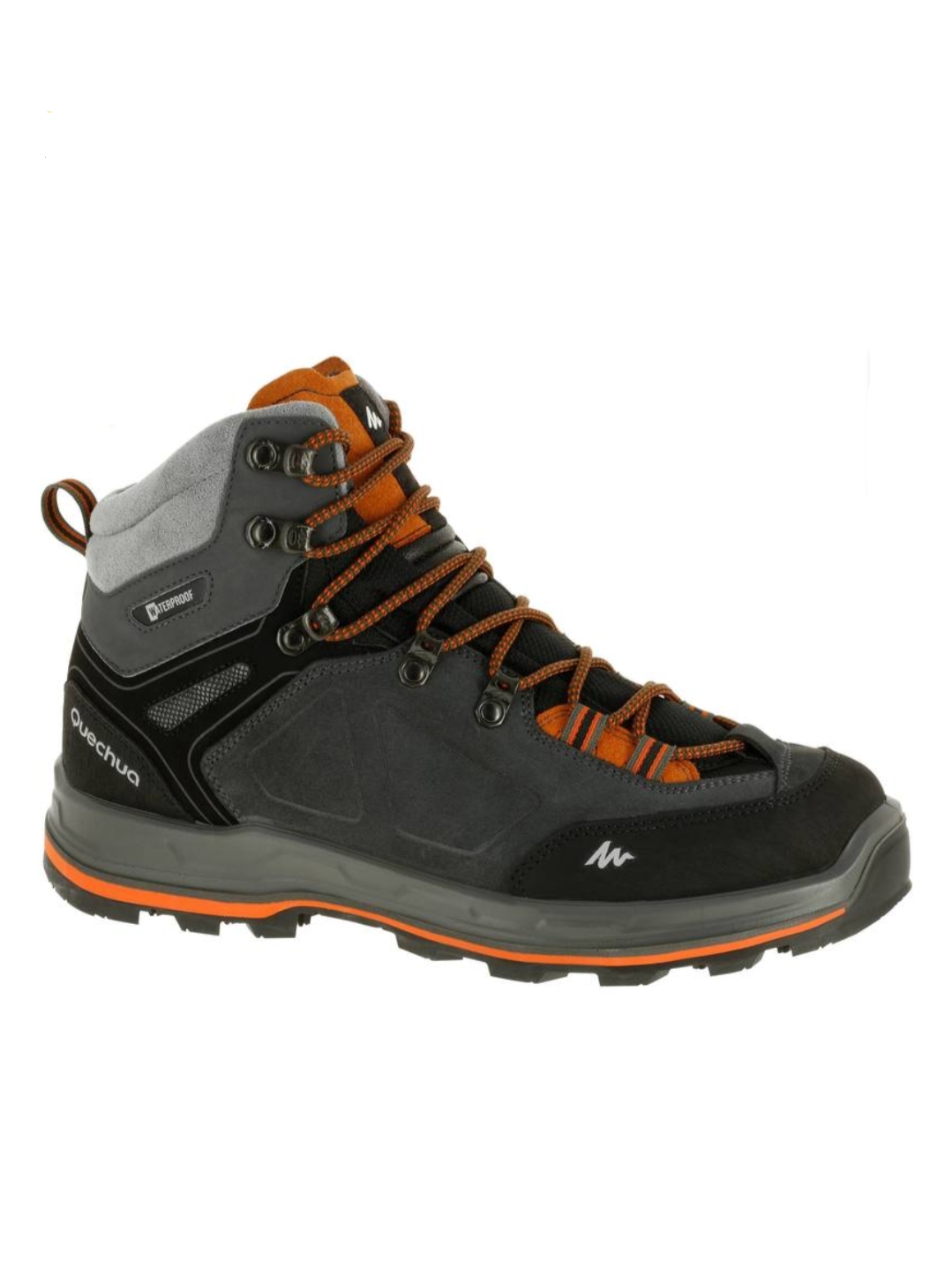
- Waterproof trekking shoes with ankle support: the single most important item. Wet or slippery shoes end more treks than fitness does.
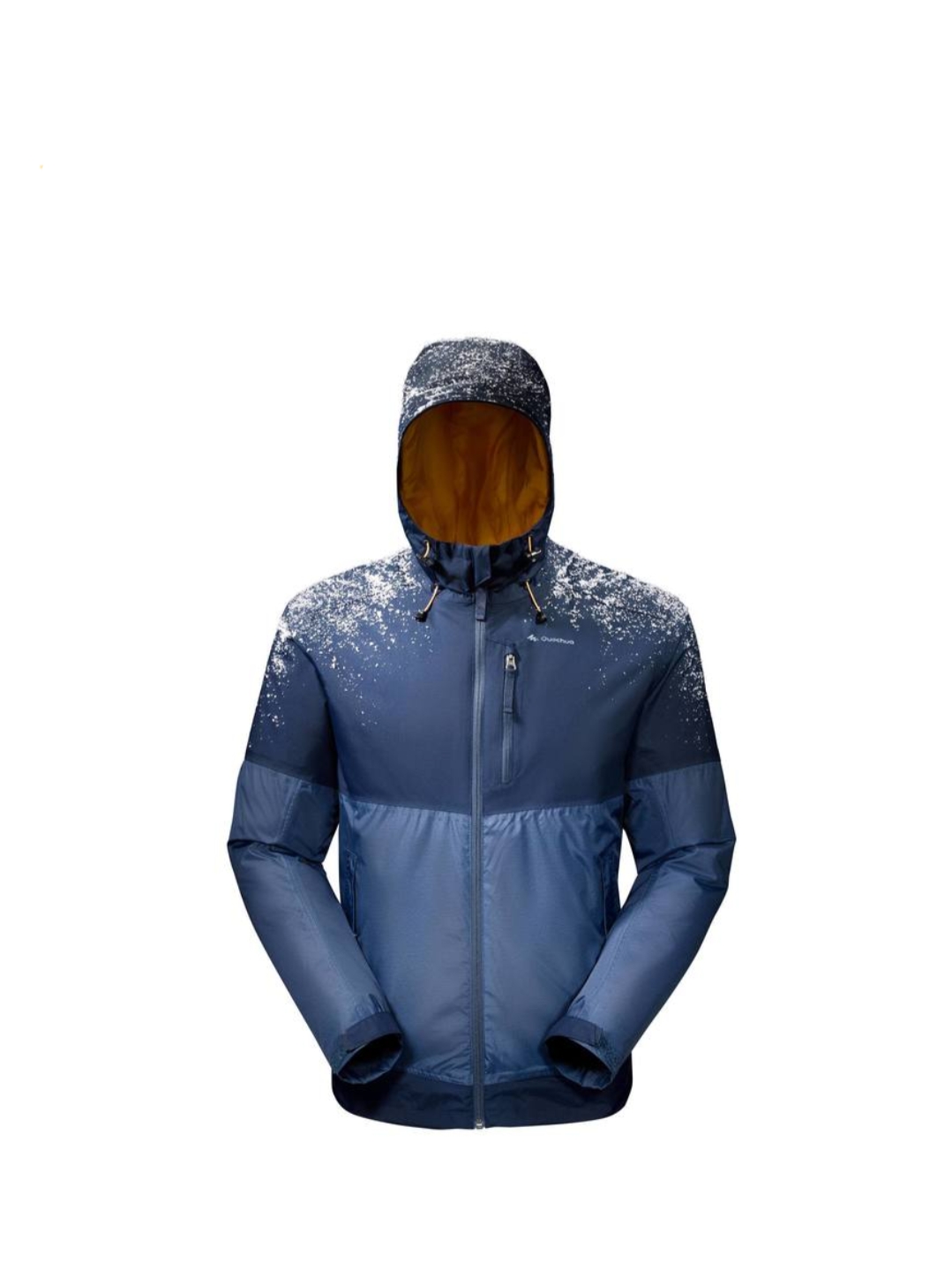
- An insulated jacket rated to around -10°C: for camp evenings and the early summit start.
- Trekking poles: they take load off your knees, especially on the way down.
- Gaiters: they keep snow out of your shoes.
- Microspikes: small chains that slip over your shoes for grip on ice and hard snow.
Option 1: Buying the gear
Here is what the Decathlon set we use on our treks costs to buy:
| Item | Model | Approx. price |
|---|---|---|
| Trekking shoes | Quechua Trek 100 (waterproof) | ₹6,999 |
| Jacket | Quechua SH100, rated to -10°C | ₹3,299 |
| Trekking poles | Quechua | ₹1,499 |
| Microspikes | Snow and ice grips | ₹999 |
| Gaiters | Pair | ₹599 |
| Total | ₹13,395 |
Prices change, but expect to spend around ₹13,000–14,000 for a reliable set, and much more if you go for premium brands.
Buying makes sense if: you trek three or more times a year, you have unusual shoe sizes, or you want gear that is fully broken in to your feet.
Buying is a poor deal if: this is your first trek or you go once a year. A -10°C jacket and microspikes spend most of their life in a cupboard in most Indian cities.
Option 2: Renting the gear
Rental shops in Dehradun, Rishikesh and the base villages hire out shoes, jackets, poles and spikes, usually priced per day or per trek. For a 5–6 day winter trek, renting the main items typically adds up to ₹1,500–4,000, depending on the shop, the trek and the quality.
The hidden costs of renting:
- Fit and condition are a gamble. Rental shoes are often worn out, and a bad fit means blisters on day two.
- Your time. Finding a shop, trying sizes and returning everything eats into the evenings before and after the trek.
- Deposits and damage charges. Most shops take a deposit too, and you need to read their damage rules.
Renting makes sense if your trek operator does not provide gear and you only trek occasionally.
Option 3: Free Trekking Gear with Trekkaro
On Trekkaro treks you get the same Decathlon set listed above, worth ₹13,395, free to use for the whole trek: Quechua Trek 100 shoes, an SH100 -10°C jacket, trekking poles, gaiters and microspikes. Your trek leader fits it at the base camp on day one, and you hand it back at the end.
To keep the gear in good condition for every trekker, there is a ₹3,000 refundable deposit, which comes back to your bank account within 7 working days after the trek, and a ₹200 washing charge. That is the full cost.
The three options side by side
| Buy | Rent | Trekkaro Free Gear | |
|---|---|---|---|
| Cost for one trek | ₹13,000–14,000 | ₹1,500–4,000 | Free (₹200 washing; ₹3,000 deposit refunded) |
| Gear quality | Your choice | Varies by shop | Decathlon Quechua, checked before every batch |
| Fitting | In store | At the shop, often rushed | By your trek leader at base camp |
| Effort | Shopping and storage | Finding and returning a shop | None, it is waiting at the start |
| Best for | Frequent trekkers | Occasional trekkers without gear support | First-timers and once-a-year trekkers |
What you still need to bring
Free gear covers the expensive, technical items. You still bring your personal clothing and small items:
- Thermal top and bottom (two sets)
- A fleece jacket and warm trekking trousers
- A waterproof outer jacket and waterproof pants for snow days
- Woollen socks (3–4 pairs), gloves, a warm cap and a balaclava
- A 40–50 litre backpack with a rain cover, and a small daypack
- UV sunglasses, sunscreen, a headlamp, water bottles and personal medicines
Most of this you either own already or can buy for a few thousand rupees, and you will use it again in everyday winter life.
Our honest advice
If this is your first trek, do not buy expensive technical gear before you know you love trekking. Use free or rented gear, find out what you like, and buy later if you start trekking several times a year. Put the money you save towards your next trek instead.
See what Free Trekking Gear includes | Browse winter treks
Frequently asked questions
How much does trekking gear cost in India?
A reliable set of winter trekking essentials (waterproof shoes, a -10°C jacket, poles, gaiters and microspikes) costs about ₹13,000–14,000 to buy from Decathlon. Premium brands cost much more.
Is it better to rent or buy trekking shoes?
If you trek once or twice a year, renting or using free operator gear is better value. Buy your own shoes if you trek often or have feet that are hard to fit, and break them in for a few weeks before the trek.
What is included in Trekkaro's Free Trekking Gear?
Decathlon Quechua Trek 100 trekking shoes, a Quechua SH100 jacket rated to -10°C, trekking poles, gaiters and microspikes, worth ₹13,395 in total.
Is the free trekking gear really free?
Yes, there is no rental fee. A ₹3,000 deposit is collected at booking and refunded within 7 working days after the trek if the gear comes back undamaged, and a ₹200 washing charge keeps it clean for the next trekker.
Do I need microspikes for a winter trek?
On snow treks from December to March, yes. Summit days and shaded sections are often icy, and microspikes give you much better grip. They are part of Trekkaro's Free Trekking Gear.