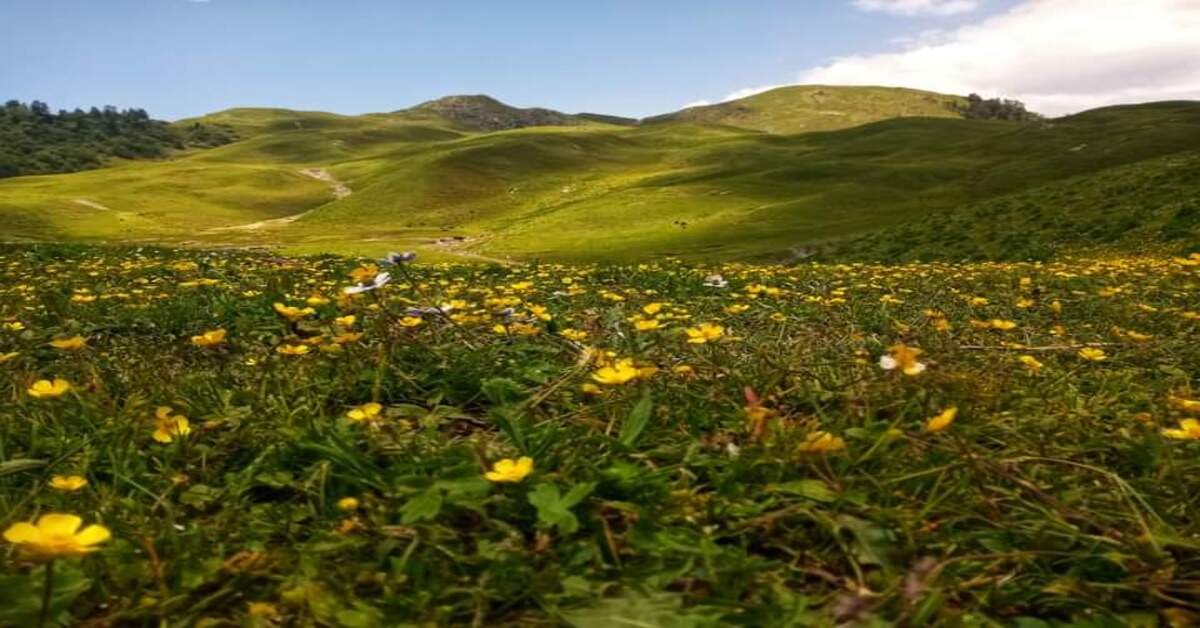
Quick answer: Choose Kedarkantha if you want a true summit, the shortest trip (5 days from Dehradun) and a classic first snow trek. Choose Brahmatal if you want a quieter trail, two frozen lakes and the closest views of Trishul and Nanda Ghunti (6 days from Rishikesh). Both are graded Easy–Moderate, both are best from December to February, and both include Free Trekking Gear with Trekkaro.
Kedarkantha vs Brahmatal at a glance
| Kedarkantha | Brahmatal | |
|---|---|---|
| Region | Uttarkashi, Uttarakhand (Govind Pashu Vihar National Park) | Chamoli, Uttarakhand |
| Duration with Trekkaro | 5 days | 6 days |
| Starts from | Dehradun (base village: Sankri) | Rishikesh (base village: Lohajung) |
| Trekking distance | About 20 km | About 29 km |
| Highest point | Kedarkantha summit, 3,810 m / 12,500 ft | Brahmatal Top, about 3,734 m / 12,250 ft |
| Difficulty | Easy–Moderate | Easy–Moderate |
| Signature views | Swargarohini, Bandarpunch, Black Peak, Kedarnath range | Trishul, Nanda Ghunti, Mt Kamet, Hathi Ghoda Parvat |
| Lakes | Juda Ka Talab (freezes in winter) | Bekaltal and Brahmatal (both freeze in winter) |
| Best months | December–February for snow; also spring and autumn | December–February (a true winter trek) |
| Trekkaro price | ₹9,000 + 5% GST | ₹9,000 + 5% GST |
| Free Trekking Gear | Yes | Yes |
1. The views: a summit panorama vs a big-peak wall
Kedarkantha is famous for its summit. You start in the dark at around 2 AM and reach the top for sunrise, with Swargarohini, Bandarpunch and Black Peak lighting up one after another. It is a proper "I stood on top of a mountain" moment, and that is why so many people choose it for their first Himalayan trek.
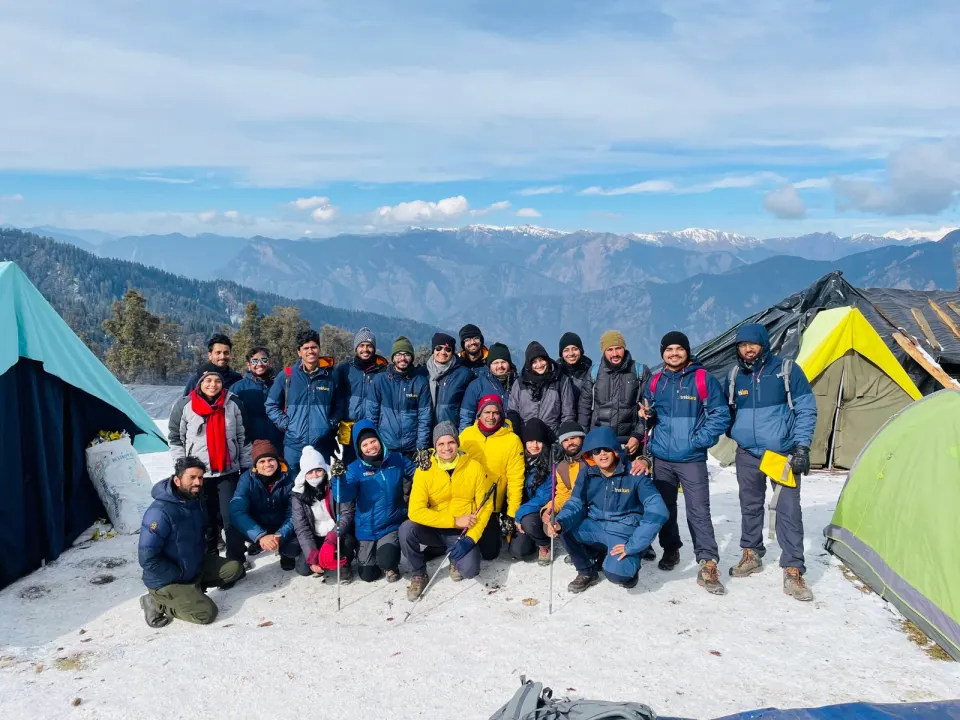
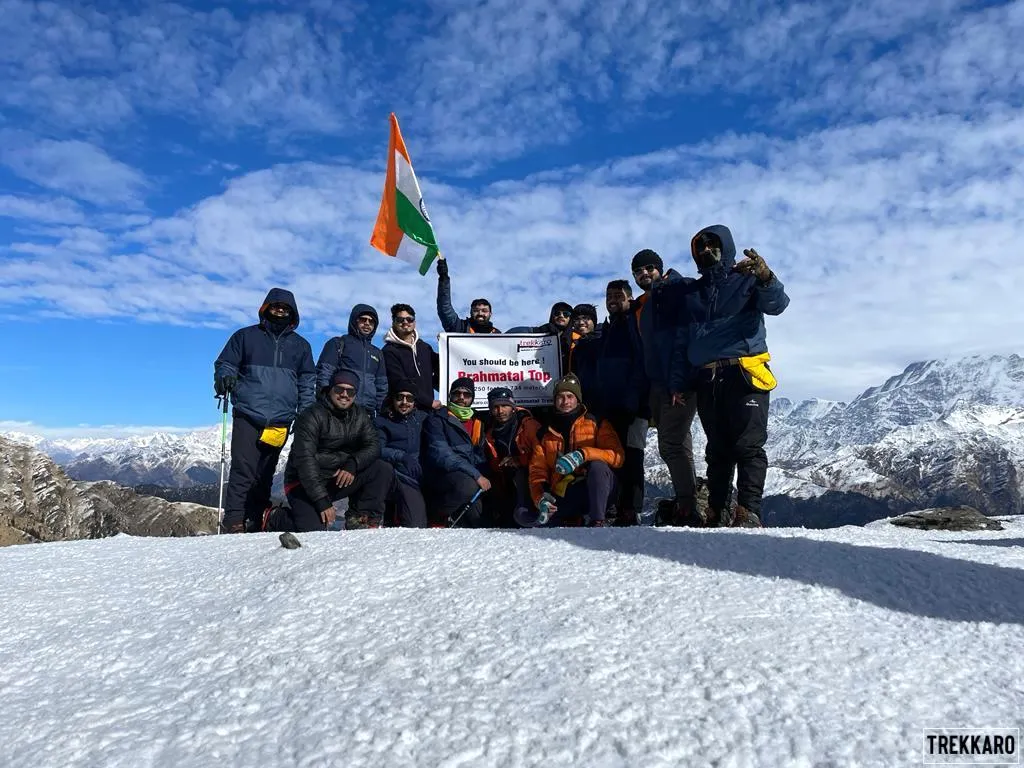
Brahmatal is about being close to giants. From Jhandi Top on Day 3 and Brahmatal Top on Day 4, Trishul (7,120 m) and Nanda Ghunti fill the horizon so close they feel within reach. If you love big, dramatic mountain faces more than a summit tick, Brahmatal often wins.
2. Difficulty: similar grade, different kind of hard
Both treks are Easy–Moderate and suit fit beginners. The difference is in how the effort is spread out:
- Kedarkantha has shorter days (3–4 km on most days) and one hard day: the steep, early-morning summit push and the long descent back to Juda Ka Talab, about 9 km in total.
- Brahmatal covers more distance (about 29 km) with steadier climbing through snow-covered oak and rhododendron forest. The longest day is the descent from base camp back to Lohajung.
If you can walk briskly for 4–5 hours and climb a few flights of stairs without stopping, you can do either. Start training 6 weeks before your trek: running, cycling or stair climbing, four to five days a week.
3. Snow and season
For snow, both are at their best from December to February. January usually has the deepest snow on both trails.
- Kedarkantha also works well in spring (March–April, with snow still on the top section) and autumn (September–November, with clear skies). It is closed in July and August.
- Brahmatal is really a winter trek. Its frozen lakes and snow-buried forest are the whole point, so go between December and February.
Night temperatures at camp on both treks drop to around -10°C to -15°C in mid-winter. With Trekkaro you sleep in -20°C rated sleeping bags.
4. Getting there
- Kedarkantha: reach Dehradun the evening before. The drive to Sankri is about 200 km (7–8 hours) along the Tons River.
- Brahmatal: reach Rishikesh the evening before. The drive to Lohajung is about 210 km through the Garhwal hills.
Both Dehradun and Rishikesh are easy to reach overnight from Delhi by bus or train, and Jolly Grant Airport (Dehradun) serves both.
5. Crowds
Kedarkantha is one of the most popular winter treks in India, so campsites can be busy in late December and on long weekends. If you choose Kedarkantha and want a quieter experience, pick a mid-week batch in early December or in February.
Brahmatal sees fewer trekkers, and the forest sections often feel like you have the mountain to yourself.
6. Cost
With Trekkaro, both treks cost ₹9,000 + 5% GST per person, with EMI available. Both include Free Trekking Gear: Decathlon trekking shoes, a -10°C jacket, trekking poles, gaiters and microspikes. That saves you the ₹2,000–4,000 most trekkers spend on renting or buying gear.
Your other main cost is travel to Dehradun or Rishikesh, plus the shared taxi to the base village.
So which one should you choose?
Choose Kedarkantha if:
- It is your first Himalayan trek and you want a summit
- You have only 5 days
- You want the option of going in spring or autumn too
Choose Brahmatal if:
- You want quieter trails and two frozen lakes
- Close-up views of Trishul and Nanda Ghunti matter more to you than a summit
- You have done Kedarkantha already and want your next winter trek
Still unsure? Many trekkers do Kedarkantha one winter and Brahmatal the next. They are different enough that both feel new.
See Kedarkantha dates and prices | See Brahmatal dates and prices
Frequently asked questions
Which is easier, Kedarkantha or Brahmatal?
Both are graded Easy–Moderate. Kedarkantha has shorter daily distances but a steep summit day. Brahmatal has more total distance but steadier gradients. For most fit beginners, both are equally achievable.
Which has more snow?
In December to February both are fully snow-covered. Brahmatal is the more "winter-only" trek, while Kedarkantha also holds snow on its upper section into March and early April.
Can a beginner do Brahmatal?
Yes. Brahmatal is a good first snow trek for anyone who prepares for 6 weeks and can walk 4–5 hours a day.
How cold does it get at night?
In mid-winter, campsite nights on both treks fall to about -10°C to -15°C. Layered clothing and a -20°C sleeping bag (provided by Trekkaro) keep you warm.
Is trekking gear included?
Yes. Both treks include Trekkaro's Free Trekking Gear: Decathlon trekking shoes, a -10°C jacket, trekking poles, gaiters and microspikes.