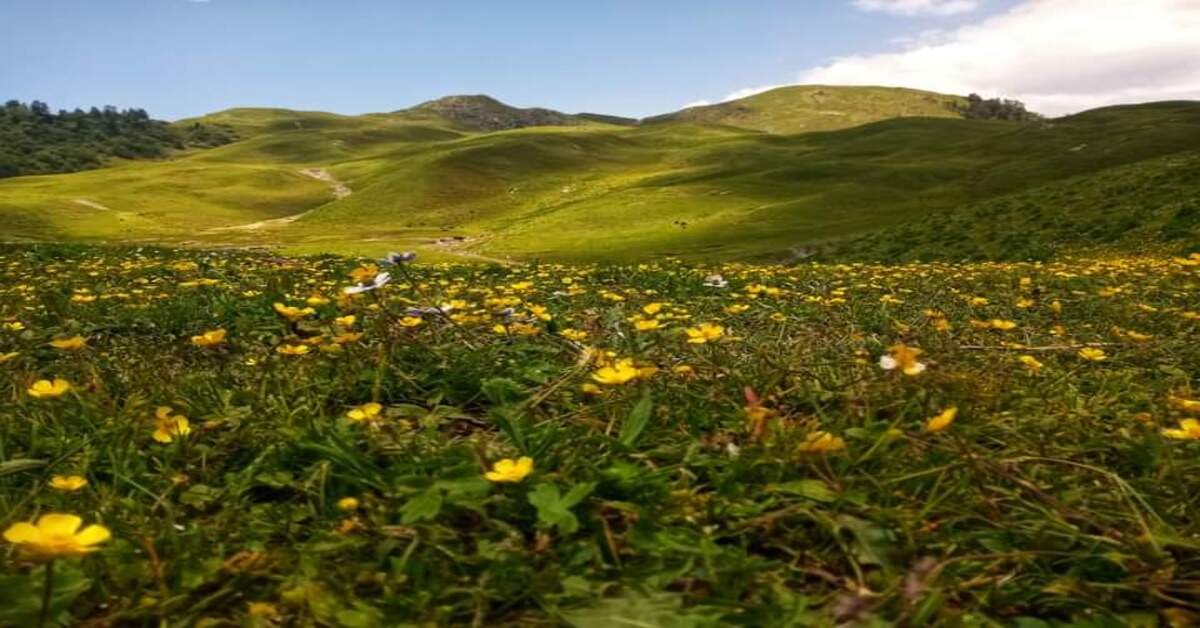
Quick answer: Pick Kedarkantha if you want to stand on a summit and you have only five days. Pick Kuari Pass if you want the bigger mountains: Nanda Devi, Kamet, Dronagiri and Chaukhamba are all in view from the pass, and you get a quieter, longer walk to earn them. Both are Easy–Moderate winter treks in Uttarakhand, both are at their best from December to March, and both come with Free Trekking Gear.
We get this question more than any other in October and November. Both treks are beginner-friendly, both are snowy in winter, and both cost almost the same, so on paper they look interchangeable. On the trail they feel very different. Here is how to tell which one is yours.
The two treks side by side
| Kuari Pass | Kedarkantha | |
|---|---|---|
| Where | Chamoli district, Garhwal | Uttarkashi district, Garhwal |
| Days with Trekkaro | 6 days, from Rishikesh | 5 days, from Dehradun |
| Base village | Pipalkoti (trek starts at Dhak) | Sankri |
| Walking distance | About 35 km | About 20 km |
| High point | Kuari Pass, about 3,900 m / 12,750 ft | Kedarkantha summit, 3,810 m / 12,500 ft |
| What you get at the top | A pass with a long wall of big peaks in front of you | A true summit with views in every direction |
| Main peaks in view | Nanda Devi, Kamet, Dronagiri, Chaukhamba, Hathi Ghoda Parvat | Swargarohini, Bandarpunch, Black Peak, Kedarnath range |
| Hardest day | Pass day: about 13 km, 8–9 hours | Summit day: about 9 km, 2 AM start |
| Best season | December to March | December to February for deep snow; spring and autumn too |
| Trekkaro price | ₹9,400 + 5% GST | ₹9,000 + 5% GST |
| Free Trekking Gear | Yes | Yes |
The real difference: a summit or a skyline
Kedarkantha is a summit trek. Everything builds towards one cold, dark, early climb, and you reach the top as the sun comes up. If you have never stood on top of a Himalayan peak, that moment is hard to beat, and it is the reason Kedarkantha is so many people's first trek.
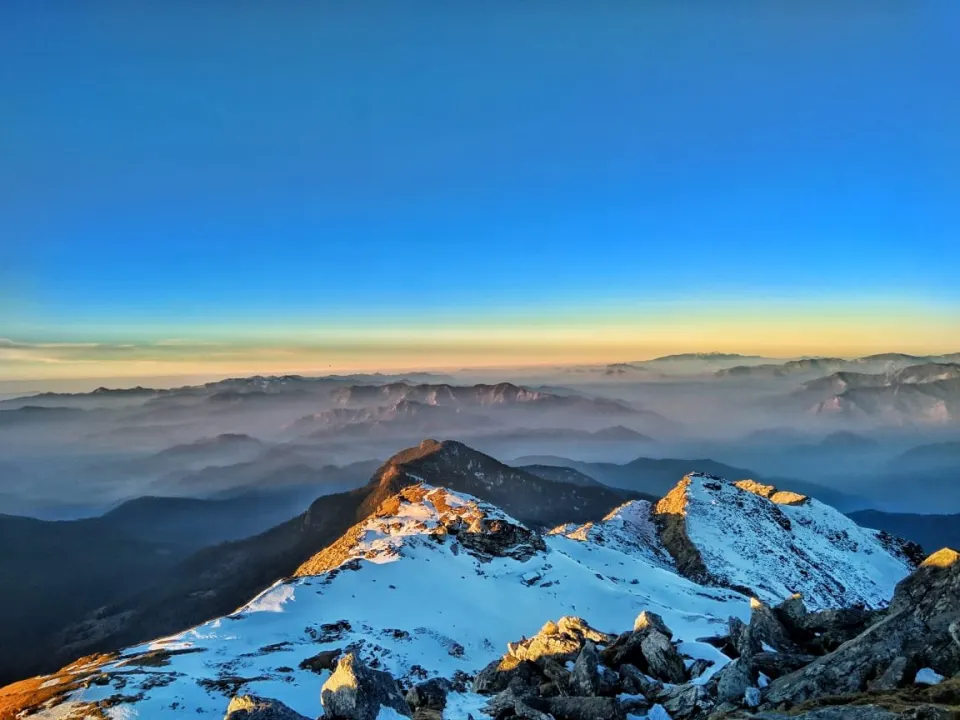
Kuari Pass gives you something different: scale. From the pass you look straight across at Nanda Devi, India's highest mountain entirely within the country, with Kamet, Dronagiri and Chaukhamba lined up beside it. You are not on top of a peak; you are face to face with a whole range of 7,000-metre giants. This route is also known as the Curzon Trail, after Lord Curzon, the British Viceroy who walked it in the early 1900s, and it has been admired for exactly this view for over a hundred years.
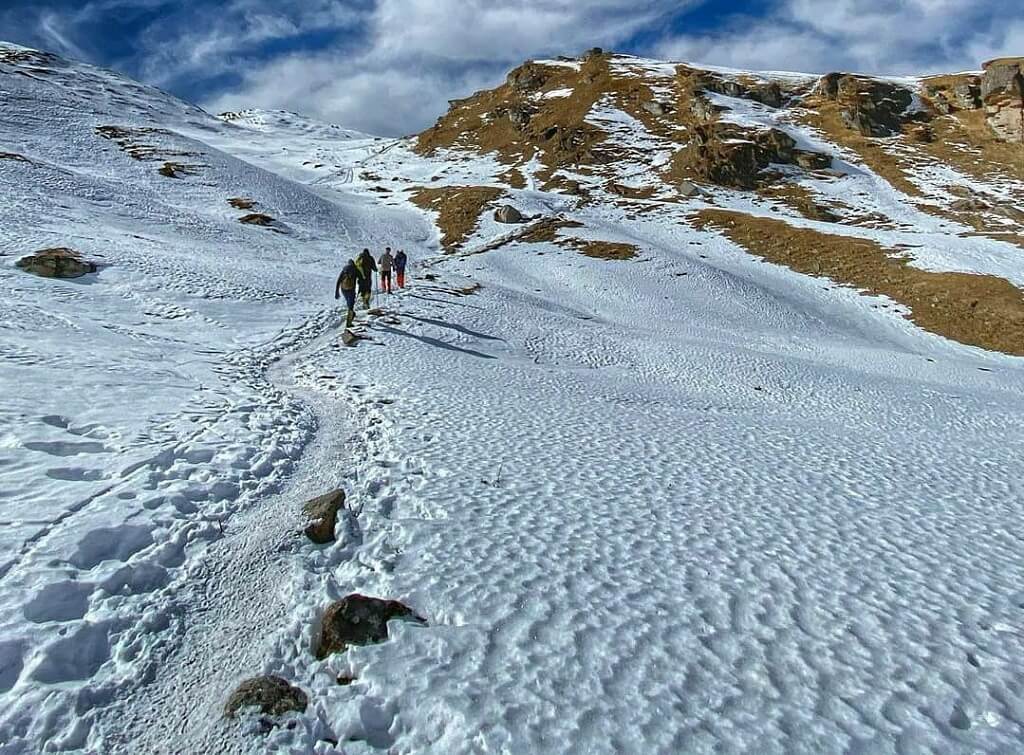
So ask yourself one question: do you want the feeling of reaching a top, or the feeling of being small in front of something huge? Your answer usually decides it.
How hard is each one, honestly?
Both are graded Easy–Moderate, and a reasonably fit first-timer can do either. The effort is just shaped differently.
Kedarkantha has short walking days, mostly 3 to 4 km. The hard part is one day: you start the summit climb at around 2 AM in the cold, climb steeply on snow, and then walk all the way back down to Juda Ka Talab. That day is about 9 km.
Kuari Pass asks for more stamina overall. You walk about 35 km in total, and the pass day is the longest single day on either trek: about 13 km and 8–9 hours from Khullara to the pass and back. The climbing is steadier, but you are on your feet for longer.
In short: Kedarkantha tests you for one morning; Kuari Pass tests you over a long day. If you are a regular walker or runner, Kuari Pass will feel comfortable. If you are newer to fitness, Kedarkantha's shorter days are kinder.
When to go
- December to February: both treks are fully snow-covered. This is the classic winter window for either.
- March: Kuari Pass shines. The lower forests turn red and pink with rhododendrons while the higher trail still holds snow.
- Spring and autumn: Kedarkantha also works well, with residual snow in March–April and very clear skies from September to November.
On both treks, winter nights at camp drop to roughly -10°C or lower. Trekkaro provides -20°C rated sleeping bags on both.
Getting to the start
Kuari Pass starts from Rishikesh. The drive to Pipalkoti is about 215 km and takes around 9 hours along the Alaknanda river, past the Panchprayag confluences. It is a long day in a vehicle, but a beautiful one.
Kedarkantha starts from Dehradun. The drive to Sankri is about 200 km and takes 7–8 hours along the Tons river.
Both cities are an overnight bus or train ride from Delhi, and Jolly Grant airport near Dehradun works for both.
Crowds
Kedarkantha is one of the busiest winter treks in India. Over Christmas, New Year and long weekends, the campsites fill up. You can avoid most of that by going mid-week, or in early December or February.
Kuari Pass is quieter. Even in peak season you will often walk for long stretches without meeting another group.
What it costs
With Trekkaro, Kuari Pass is ₹9,400 + 5% GST and Kedarkantha is ₹9,000 + 5% GST, with EMI available on both. Both include accommodation, all meals on the trek, permits, a trek leader and support staff, and Free Trekking Gear: Decathlon shoes, a -10°C jacket, poles, gaiters and microspikes. That alone saves most trekkers ₹2,000–4,000 in rental or shopping.
Budget separately for travel to Rishikesh or Dehradun and the shared taxi to the base village.
Our recommendation
Go for Kedarkantha if this is your first Himalayan trek, you want a summit, you have just five days, or you want to go outside the December–March window.
Go for Kuari Pass if you want the most impressive mountain views on any easy-moderate trek in Uttarakhand, you prefer quiet trails, you are comfortable with one long day, or you have already done Kedarkantha.
Plenty of our trekkers do Kedarkantha first and come back for Kuari Pass the following winter. They are different enough that the second one never feels like a repeat.
See Kuari Pass dates and price | See Kedarkantha dates and price
Frequently asked questions
Is Kuari Pass harder than Kedarkantha?
Slightly, in terms of stamina. Kuari Pass is longer overall (about 35 km against 20 km) and has a longer pass day of 8–9 hours. Kedarkantha has shorter days but a steeper, very early summit climb. Both are graded Easy–Moderate.
Which trek has better views?
Kuari Pass has the bigger peaks: Nanda Devi, Kamet, Dronagiri and Chaukhamba. Kedarkantha has the better summit experience, with a 360-degree view at sunrise. It depends on whether you want scale or a summit.
Can a beginner do Kuari Pass?
Yes. A beginner who trains for about six weeks (running, cycling or stair climbing four to five days a week) can comfortably do Kuari Pass. Be ready for one long day on the trail.
Which is better in March?
Kuari Pass. In March its lower forests bloom with rhododendrons while snow still covers the higher sections, which makes it one of the most colourful treks of the season.
Do both treks include trekking gear?
Yes. Both include Trekkaro's Free Trekking Gear: Decathlon trekking shoes, a -10°C jacket, trekking poles, gaiters and microspikes.