This guide is about the Kedarkantha Trek — dates, price, day-by-day itinerary and booking are on the trek page.
Quick answer: Kedarkantha and Kedarnath are different places. Kedarkantha is a 3,810 m (12,500 ft) summit trek from Sankri in Uttarkashi district, 20 km on a 5-day trek, run September to April with snow from December. Kedarnath is a Jyotirlinga temple at 3,584 m in Rudraprayag district, a 16 km walk from Gaurikund, open from end-April to early November.
What is the difference between Kedarkantha and Kedarnath?
One is a mountain you climb for its summit; the other is a temple you walk to for darshan. They are in different districts, on different roads, and open in different seasons.
Kedarkantha is a mountain. Our trek page says it "rises from the Govind Pashu Vihar National Park in the Uttarkashi district of Uttarakhand". People go to stand on its summit, in snow if they come in winter. There is no road to the top: you walk from Sankri village and sleep in tents.
Kedarnath is a temple town. The Shri Badarinath-Kedarnath Temple Committee (BKTC) places the shrine "on the bank of Mandakini river at an altitude of 3584 meters above sea level" and describes the Jyotirlinga there as "paramount among all Jyotirlingas". The Rudraprayag district administration places it in Rudraprayag district.
How do Kedarkantha and Kedarnath compare side by side?
| Point | Kedarkantha | Kedarnath |
|---|---|---|
| What it is | Summit trek | Jyotirlinga temple, one of the Panch Kedar |
| District | Uttarkashi | Rudraprayag |
| Height of the goal | 3,810 m (12,500 ft) summit | 3,584 m temple (BKTC) |
| Where the walk starts | Sankri, 1,950 m (6,400 ft) | Gaurikund, the road head |
| Walking distance | 20 km over 4 walking days | 16 km to the temple (state registration site) |
| Open season | September to April (Trekkaro) | End-April to early November (Shri Kedarnath trust) |
| Snow | Heavy snow December to February | Temple closed in winter |
| Other ways up | On foot only | Pony, palki or helicopter (state registration site) |
| How you go | Group trek with a leader; fee ₹9,000 + 5% GST | Yatra; pilgrims register on the state portal |
Which one is higher, Kedarkantha or Kedarnath?
Kedarkantha's summit, at 3,810 m (12,500 ft), is 226 m higher than the Kedarnath temple at 3,584 m.
On Kedarkantha you climb in steps. You sleep at Juda Ka Talab (2,773 m / 9,100 ft) on night 2 and at the base camp (3,429 m / 11,250 ft) on night 3, then leave for the summit at 2:00 AM on Day 4, according to the trek page. After the top you come back down to Juda Ka Talab the same day, about 9 km in all. The trek page grades Kedarkantha Easy–Moderate and calls it "one of the best-suited winter treks in India for first-time trekkers"; the minimum recommended age is 8.
For Kedarnath, the state's Char Dham registration and tourist care site says "Once at Gaurikund, a 16 km trek leads to Kedarnath Temple", and puts it at 6 to 8 hours on foot. That is one long climb in a single day, and the same site lists pony and palki services and helicopters from Guptkashi, Sirsi and Phata for those who do not walk.
When can you go to each one?
The two seasons overlap only from September to early November and at the end of April. Kedarnath's season sits in the warm months; Kedarkantha's best snow comes when Kedarnath is shut.
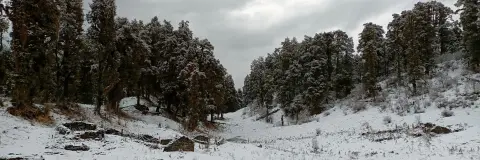
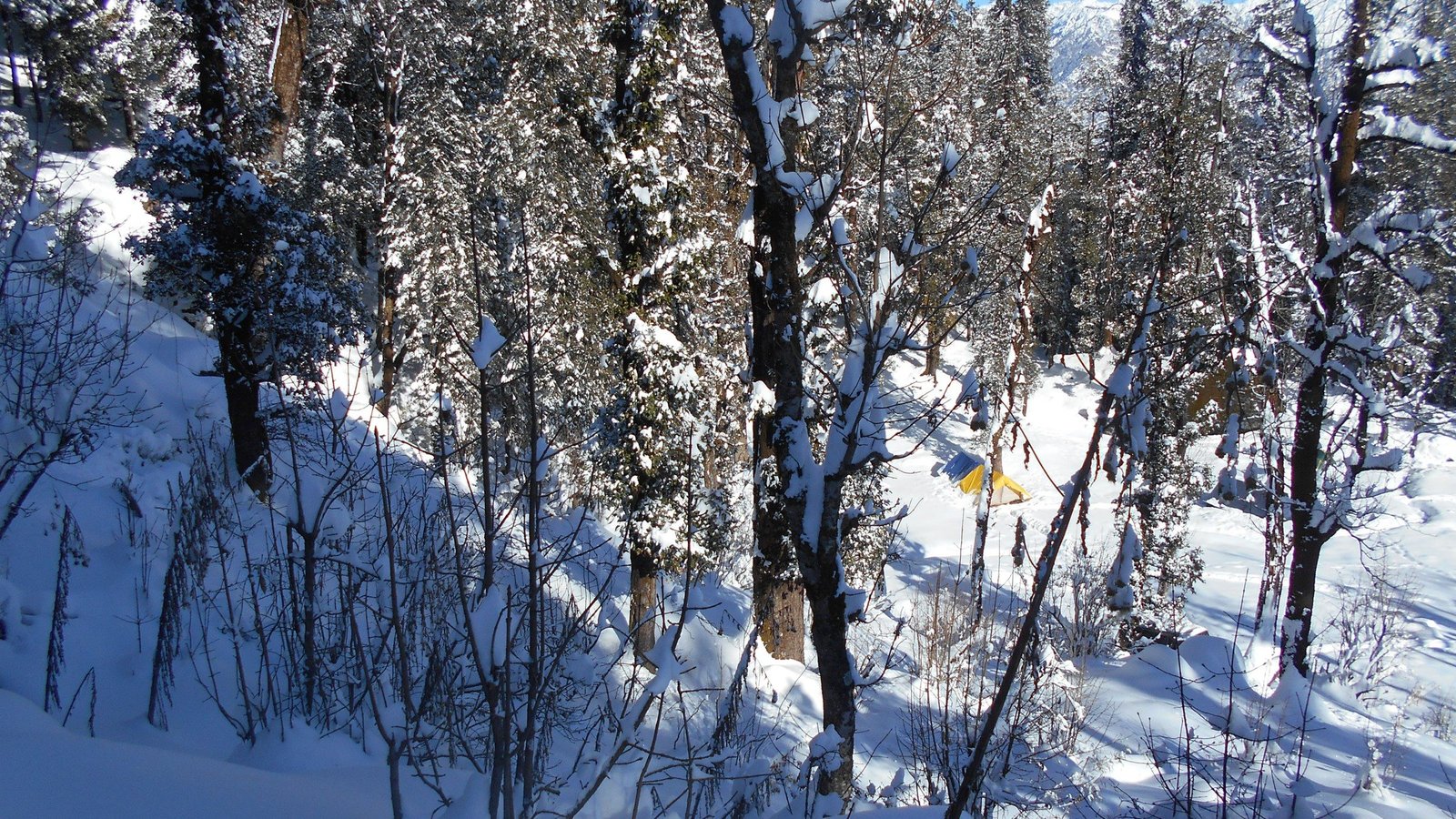
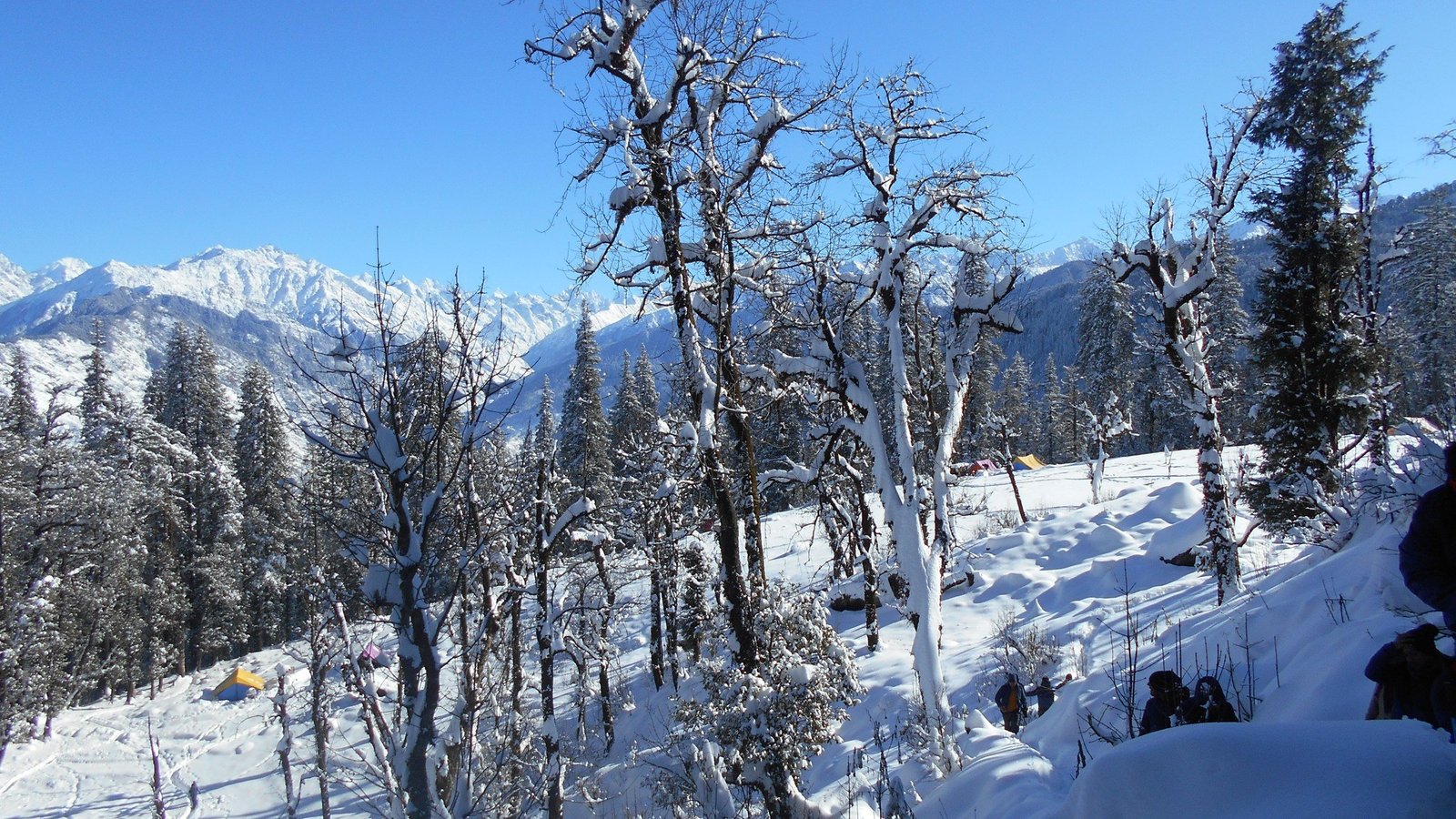
Our trek page gives Kedarkantha's best time as September to April: "Between December and February, heavy snowfall transforms the entire trail into a white wilderness." Winter days run -2°C to 8°C and nights -10°C to -15°C at camp.
The Shri Kedarnath Charitable Trust says Kedarnath temple "is open from end-April to early-November each year", with the exact dates announced each year. In winter, the Rudraprayag district page says, the deities are brought down to Ukhimath and worshipped there for six months.
So from December to March, only Kedarkantha is open. Both are open at the end of April and from September to early November. Month-by-month snow and weather on Kedarkantha are in Kedarkantha trek best time.
How do you reach each one?
Kedarkantha starts from Dehradun. A shared cab leaves Dehradun Railway Station at 6:30 AM for Sankri, about 200 km and 8–9 hours away. The cab is not in the trek fee: it costs ₹1,000 per person each way (₹2,000 return), paid directly to the driver. For trains, flights and the road to Sankri, see how to reach Kedarkantha.
Kedarnath is reached by road to Gaurikund, which the Rudraprayag district page says "lies on National Highway 107 which connects Rudraprayag with Kedarnath", and then the walk. Trekkaro does not run Kedarnath trips. Registration is on the state portal.
Which one should you choose?
Choose by what you want from the trip, not by the name.
- If the goal is darshan at a Jyotirlinga, it is Kedarnath, between end-April and early November.
- If you want a snow summit, it is Kedarkantha, from December to February, or March and April for a spring version.
- If you want to walk with a group, sleep in tents and have food, gear and permits arranged, Kedarkantha with a trek leader fits that. Kedarnath is a pilgrimage you plan yourself, with registration on the state portal.
- If you can travel only in winter, Kedarkantha is the only one of the two that is open.
What does Kedarkantha cost with Trekkaro?
The fee is ₹9,000 + 5% GST, which is ₹9,450 per person, Sankri to Sankri. With the ₹2,000 return shared cab from Dehradun, the all-in figure is ₹11,450. The trek page shows EMI from ₹463 a month.
The fee includes Free Trekking Gear (Decathlon trekking shoes, a -10°C jacket, trekking poles, gaiters and microspikes; ₹3,000 refundable deposit + ₹200 washing charge) and the Govind Pashu Vihar National Park permits. Every trekker brings a doctor-signed medical certificate; the form is in My Bookings. See the trek page for live batch dates.
See Kedarkantha trek dates and book | Kedarkantha trek complete guide | Where is Kedarkantha
Frequently asked questions
How long does the walk to Kedarnath take?
The state's Char Dham registration site puts the 16 km walk from Gaurikund at 6 to 8 hours. It also lists pony and palki services, and helicopters from Guptkashi, Sirsi and Phata.
Which is harder, Kedarkantha or Kedarnath?
They are hard in different ways. Kedarnath is a single 16 km climb from Gaurikund, with ponies, palkis and helicopters available, while Kedarkantha spreads 20 km over 4 walking days and ends with a 2:00 AM summit start.
Can I do Kedarkantha and Kedarnath in winter?
Only Kedarkantha. The Kedarnath temple closes for winter, while Kedarkantha has heavy snow from December to February and runs until April.
Where is the Kedarnath deity worshipped in winter?
The Rudraprayag district administration says the deities of Kedarnath temple are brought to Ukhimath in winter and worshipped there for six months. The Kedarnath temple itself is closed in that period.
What is the minimum age for the Kedarkantha trek?
The trek page gives a minimum recommended age of 8. The trek is graded Easy–Moderate and called one of the best-suited winter treks in India for first-time trekkers.