This guide is about the Kedarkantha Trek — dates, price, day-by-day itinerary and booking are on the trek page.
Quick answer: October is Kedarkantha’s clear-sky month: days of about 5–18°C, nights of about -8°C to -2°C at the higher camps, and a clear, well-defined trail, with the first snow appearing on the surrounding peaks. Trekkaro runs Kedarkantha batches through October at ₹9,000 + 5% GST; see the trek page for live dates.
The Kedarkantha season reopens in September after the monsoon, and October is the second month of autumn trekking. It is a very different trek from the snow trek in December photographs. This guide is for trekkers who can travel this month, above all over the Dussehra holiday: what October is really like, how batches run this month, how it compares with November and December, and what to pack.
Is October a good time for the Kedarkantha trek?
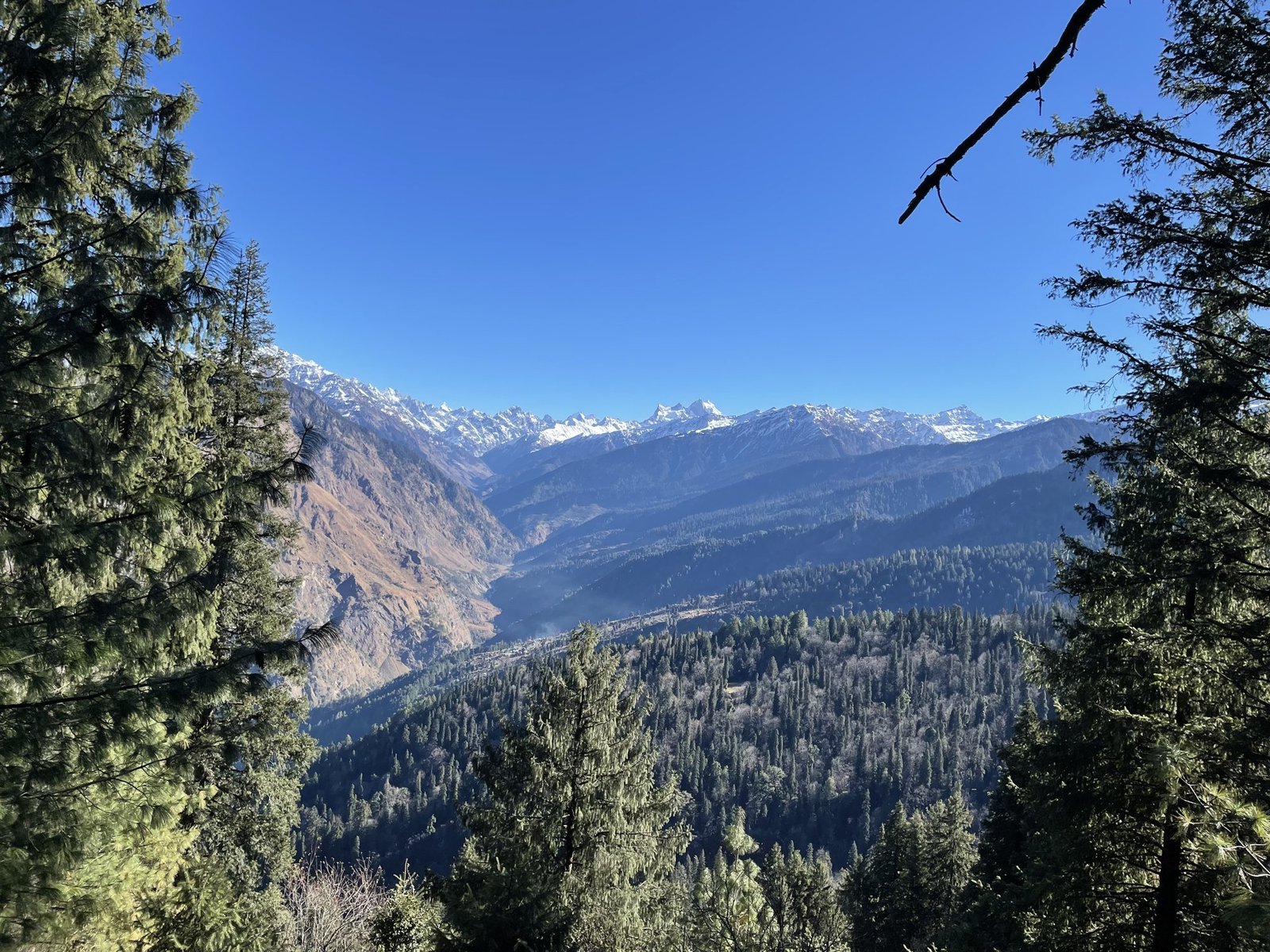
Yes, if you want views and a clear trail more than snow. After the monsoon the air is clean, the trail is well defined, and the views from the summit at 3,810 m (12,500 ft) are at their clearest. The trek page calls autumn the most underrated season on Kedarkantha, with green meadows, a deep blue sky and golden and amber tones in the forest.
October suits:
- First-time trekkers who want to try a Himalayan summit without walking on snow and ice.
- Photographers and people who care most about clear mountain views.
- Anyone who wants to use the Dussehra holiday for a 5-day trip; check the trek page for batches over Dussehra.
It does not suit you if snow is the whole point. For a snow trek, wait for the deep-snow season from December to February.
What is the weather on Kedarkantha in October?
The trek page gives one autumn range, for September to November, and the October batches sit inside it.
| Place | Height | Autumn day | Autumn night |
|---|---|---|---|
| Juda Ka Talab | 2,773 m / 9,100 ft | About 5–18°C | About -8°C to -2°C |
| Base camp | 3,429 m / 11,250 ft | About 5–18°C | About -8°C to -2°C |
| Summit (pre-dawn) | 3,810 m / 12,500 ft | Climbed from 2:00 AM, the coldest part of the night; wind on the ridge makes it feel colder | |
The camp figures are the trek page’s autumn ranges, not October measurements, and the trek page gives no separate figure for Sankri. Mountain weather can still turn for a day or two. The Uttarakhand Health Department’s health advisory for travellers going above 3,000 m asks you to check the weather before setting out, dress for cold, rain and sun, gain no more than 800–1,000 m a day, and descend if you feel unwell.
Will there be snow on Kedarkantha in October?
Do not book October for snow. The trek page describes autumn trails as clear and well defined, with the first snow on the higher peaks around you from October, not on your path. Early snowfall on the upper trail is possible in November, and deep snow comes from December to February.
Microspikes and gaiters still come with Free Trekking Gear, and the trek leader decides on summit night whether the group needs them, for example if frost makes the top slippery.
How do Kedarkantha batches run in October?
Kedarkantha batches run through October; see the trek page for live dates. Booking for each batch closes at 5 PM India time on the day before it starts.
| What | Detail | Notes |
|---|---|---|
| Length | 5 days, Dehradun to Dehradun | The same plan as in every other month |
| Group size | Up to 20 trekkers | One leader or guide for every eight |
| Booking cut-off | 5 PM India time | On the day before the batch starts |
| Holiday batches | Dussehra | The festival moves from year to year; check the trek page for batches over Dussehra |
| Late-October starts | Run into early November | Nights stay in the autumn range |
Once on the trail, follow your trek leader’s calls on route, pace and start times; they are made for the group’s safety.
October, November or December: which should you pick?
| Month | Day | Night at camp | Snow on the trail | Holidays |
|---|---|---|---|---|
| October | 5°C to 18°C | -8°C to -2°C | Clear trail; first snow on the peaks | Dussehra |
| November | 5°C to 18°C | -8°C to -2°C | Early snowfall on the upper trail possible | Diwali, Guru Nanak Jayanti |
| December | -2°C to 8°C | -15°C to -10°C | Deep-snow season begins | Christmas, New Year |
Festival dates move from year to year, so check the trek page for batches over the holiday you want. If you can only get away in October, go: it is a complete summit trek with some of the clearest views of the year. If snow matters more than anything else, wait for winter.
What does an October day on the trail feel like?
The plan is the standard five days. You leave Dehradun Railway Station at 6:30 AM for the 200 km drive to Sankri (1,950 m), climb about 4 km through pine and oak forest to Juda Ka Talab on Day 2, walk 3 km across open meadows to the base camp on Day 3, start for the summit at 2:00 AM on Day 4 and come back down to Juda Ka Talab the same day, about 9 km in 8–9 hours, then walk 4 km down to Sankri on Day 5 for the drive back, reaching Dehradun by about 6 PM.
In October those days split in two. On the trail the autumn day range is about 5°C to 18°C, so you walk in light layers and add a fleece when you stop. After sunset at camp you need every warm layer, because nights at both camps fall below freezing. On summit night you climb in the dark with a headlamp, and the dry trail means you need no snow technique, only a steady pace.
Sort the practical things in Dehradun, not in Sankri. Purola has the last reliable ATM and cards are not accepted on the trail, so carry cash in small notes, including the cab fare. Sankri has the last mobile signal, and only Jio works there; there is no charging after that, so a charged power bank is your only power for three days. Pack your papers: a government photo ID, a medical certificate signed by a doctor, and travel insurance covering high-altitude trekking and helicopter evacuation, which is mandatory. Ask your doctor about altitude medicine such as Diamox before the trip.
What should you pack for October?
| For | Pack |
|---|---|
| Layers | Quick-dry T-shirts, two fleece or woollen layers, thermal inners for the night, and a waterproof shell for summit morning |
| Sun | UV sunglasses (category 3 or 4), a cap, SPF 50+ sunscreen and lip balm |
| Night | A woollen cap, a balaclava, two pairs of gloves and dry socks kept only for sleeping |
| Summit start | A headlamp with spare batteries for the 2:00 AM climb |
| Water | Two one-litre bottles, one insulated (October nights at base camp drop below freezing) |
| Provided | Free Trekking Gear: Decathlon trekking shoes, a -10°C jacket, trekking poles, gaiters and microspikes; -20°C sleeping bags in tents shared by three |
On October evenings, put your warm layer on as soon as the sun drops behind the ridge, before you feel cold, and change out of sweaty clothes the moment you reach camp. That one habit decides how well you sleep before summit night.
What does Kedarkantha cost in October?
| Item | Amount |
|---|---|
| Trek fee (5 days from Dehradun) | ₹9,000 |
| GST (5%) | ₹450 |
| Total | ₹9,450 |
| EMI | The trek page shows EMI from ₹463 a month |
| Free Trekking Gear | ₹3,000 refundable deposit + ₹200 washing charge (+ GST) |
| Backpack offloading / single tent (optional) | ₹1,500 / ₹2,000, + GST |
| Shared cab Dehradun–Sankri | ₹1,000 per person each way (₹2,000 return), paid directly to the driver |
| All-in (trek fee + 5% GST + ₹2,000 return cab) | ₹11,450 |
Transport is not included in the trek fee: we help the group book shared cabs at ₹1,000 per person each way, paid directly to the driver. Cancellation: 70% refund 30 or more days before departure, 50% at 15–29 days; at 8–14 days there is no cash refund, but you can take a 100% TrekCash voucher (valid 1 year), a free reschedule or a transfer to another trekker. Any of these can also replace a cash refund at any point up to 8 days before departure. At 7 days or less, or a no-show, nothing is refunded. Check which band your start date falls in before you book.
See Kedarkantha October dates and book | Kedarkantha in November | Kedarkantha best time | Kedarkantha distance and height | Treks in October
Frequently asked questions
Is there snow on the Kedarkantha trek in October?
Plan for a clear trail without snow. The first snow of the season shows up on the higher peaks around you, and the deep-snow months are December to February.
How cold does Kedarkantha get at night in October?
The trek page’s autumn range for nights at Juda Ka Talab and the base camp is about -8°C to -2°C. The pre-dawn summit start is the coldest part of the trek, so carry every warm layer on summit night.
Can a complete beginner do Kedarkantha in October?
Yes. Kedarkantha is graded Easy–Moderate with a minimum age of 8, and a dry, well-defined trail makes October one of the easier months for a first Himalayan summit. Build the fitness to walk briskly for 4–5 hours before you go.
Does Kedarkantha run over the Dussehra holiday?
Kedarkantha runs through October, so in the years Dussehra falls in October a 5-day batch can cover the holiday. Check the trek page for batches over Dussehra and for live dates. Booking for each batch closes at 5 PM India time on the day before it starts.
Do I need microspikes for Kedarkantha in October?
A dry October trail needs only good trekking shoes, but frost near the top can be slippery before sunrise. Microspikes are part of Free Trekking Gear, and your trek leader decides on summit night whether the group wears them.