Quick answer: Most trekkers feel sore legs, tiredness and some sleep loss for 2 to 4 days after a Himalayan trek. Rest, drink plenty of water, eat proper meals, walk gently and stretch. See a doctor if you have breathlessness at rest, chest pain, a swollen and painful calf, numb or discoloured fingers or toes, or knee pain that does not ease after a few days.
Sore legs and knees
The long descents on the last days are what make thighs and knees sore. It peaks one or two days after the trek.
- Keep moving gently: a short, easy walk each day helps more than lying in bed.
- Stretch: calves, thighs and hips, slowly, for a few minutes morning and evening.
- Skip hard workouts for a few days and go back to them slowly.
Sleep and tiredness
Early mornings, cold nights and the long drive home add up. Plan a rest day after you reach home if you can, before going back to work or college.
Food and water
- Drink enough water: many trekkers drink less than they need in the cold.
- Eat proper meals: dal, rice or roti, vegetables, curd and fruit help your body recover.
Skin, lips and feet
- Use moisturiser and lip balm on sun- and wind-burnt skin.
- Keep blisters clean and dry, and let them heal before long walks.
When to see a doctor
Do not wait if you notice any of these after a trek:
- Breathlessness when resting, or a cough that keeps getting worse
- Chest pain
- A calf that is swollen, warm and painful, especially after a long bus or car journey
- Fingers or toes that stay numb, pale, grey or blistered after the cold
- Knee or ankle pain or swelling that does not ease after a few days
- A fever, or a headache that does not go away
This article is general information, not medical advice. If you are unsure, see a doctor.
Read also: altitude sickness on Himalayan treks and hypothermia on winter treks.
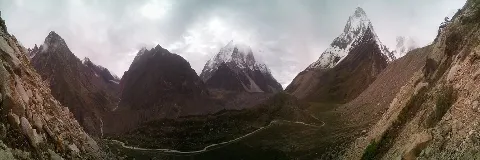
Cover photo: Morning on the Beas Kund trek. Photo: Gxyd, CC BY-SA 4.0, via Wikimedia Commons.