This guide is about the Dayara Bugyal Trek — dates, price, day-by-day itinerary and booking are on the trek page.
Quick answer: The best time for the Dayara Bugyal trek depends on what you want. December to March is the snow season, April to June brings green meadows with peak bloom in May and June, and September to November brings clear skies and open peak views. Trekkaro runs Dayara Bugyal from September to June and not in July or August.
When is the best time for the Dayara Bugyal trek?
Trekkaro runs Dayara Bugyal ten months of the year, so the right month comes down to the meadow you want to see from Dayara Top (3,749 m). Trekkaro splits the year into three windows, and each one turns the same 4-day, 20 km route into a different trek.
| If you want | Go in | What to expect | Read next |
|---|---|---|---|
| Snow underfoot | December to March | The snow season; the trail and meadows are under snow | Dayara in December |
| Green meadows and flowers | April to June | Green meadows and wildflowers, with May and June the peak bloom | March vs April |
| Clear skies and open peak views | September to November | Clear skies; one of the best seasons for unobstructed Himalayan views | – |
| – | July and August | No batches | – |
Which months have snow at Dayara Bugyal?
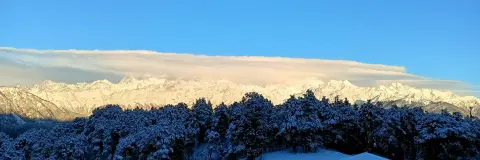
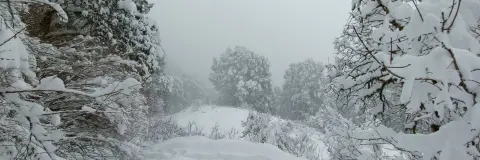
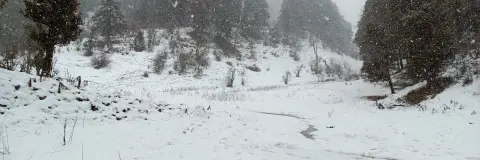
December, January, February and March. These four months are the snow season, when the trail from Raithal to the Gui camp and the open meadows above it lie under snow. On summit day the steep half hour towards Chilapada and the last climb to Dayara Top are on snow, so the microspikes and gaiters that come with Free Trekking Gear matter most in this window.
It is also the cold window. Winter nights at camp run from -10°C to -2°C with days of 4°C to 11°C, against nights of 7°C to 12°C in summer. Summit day is a 10 km round trip from Gui (2,936 m) that takes 8 to 9 hours. The full season-by-season cold and layering list is in the Dayara Bugyal temperature guide.
If you are deciding between the start and the end of the snow season, the December guide covers the first month of snow and the March guide compares the last snow month with April.
When are the Dayara meadows green and in flower?
From April to June. This is the window of green meadows and wildflowers after the snow melts, with May and June the peak bloom. This is the answer for anyone searching for Dayara Bugyal in summer: the grassland that is a white field in January becomes the green bugyal the trek is named for.
Summer is the gentlest window for the body. Days run from 13°C to 18°C and nights from 7°C to 12°C, the mildest of the year. The route, the camps and the 813 m climb from Gui to Dayara Top stay the same, so summer is easier on the cold, not on the legs. Carry a rain jacket or poncho for showers in this window.
Why choose September to November for the views?
September to November is the clear-skies season and one of the best for unobstructed Himalayan views on this trek. The meadow is open grass before the snow season begins in December.
In October and November days run from 12°C to 15°C and nights around 0°C, colder towards the end of November. Choose this window for the view and for nights that are cold but well above the winter low.
Which month suits which trekker?
- December to March, for a first trek in snow with the gear provided
- April to June, for a family or group that wants milder nights
- September to November, for photographers after clear skies and open peak views
- July or August is not an option, since the trek does not run then
The grade does not change with the month. Trekkaro rates Dayara Bugyal Easy–Moderate, which suits beginners with some prior trekking experience, and sets the minimum age at 8, with trekkers under 18 joining with a parent or guardian.
What happens in July and August?
Trekkaro runs Dayara Bugyal from September to June, with no batches in July and August. Batches restart in September, at the opening of the clear-skies season. For a forecast in the days before your trek, check the IMD Dehradun centre's forecast for Uttarkashi district, where Dayara Bugyal lies.
What does the Dayara Bugyal trek cost?
The fee is ₹7,800 per person plus 5% GST (₹8,190 with GST), Raithal to Raithal. The drive from Dehradun to Raithal is 180 km and takes 8 to 9 hours each way; the shared 5–6 seat cab is paid directly to the driver and split among the trekkers in it, and your trek coordinator confirms the fare.
In every window the fee includes Free Trekking Gear (Decathlon trekking shoes, a -10°C jacket, trekking poles, gaiters and microspikes) against a ₹3,000 refundable deposit and a ₹200 washing charge. It also covers the Raithal stay on Day 1, two nights in tents at Gui shared by 3 with men and women in separate tents, pure vegetarian meals and the forest permits. Every trekker brings a doctor-signed medical certificate, and travel insurance is mandatory and not included.
See Dayara Bugyal trek dates and book | Dayara Bugyal trek complete guide | Dayara Bugyal trek cost
Frequently asked questions
Which is the best month for the Dayara Bugyal trek?
It depends on what you want to see. December to March is the snow season, May and June are the peak bloom on green meadows, and September to November is one of the best seasons for unobstructed Himalayan views.
Can you do the Dayara Bugyal trek in summer?
Yes. Trekkaro runs Dayara Bugyal from April to June, when the meadows turn green and wildflowers bloom. Days are 13°C to 18°C and nights 7°C to 12°C, the mildest of the year.
When does snow start at Dayara Bugyal?
December to March is the snow season. October and November are the clear-skies months, so choose a December to March trek if snow is the reason you are going.
Is the Dayara Bugyal trek open in July and August?
No. Trekkaro runs the trek from September to June and does not run it in July and August. The season reopens in September with clear skies.
What does the Dayara Bugyal trek cost in the snow season?
The fee is ₹7,800 per person plus 5% GST (₹8,190 with GST), and Free Trekking Gear with microspikes and gaiters is included, so there is no snow gear to rent. What changes in the snow season is the cold and the trail surface.